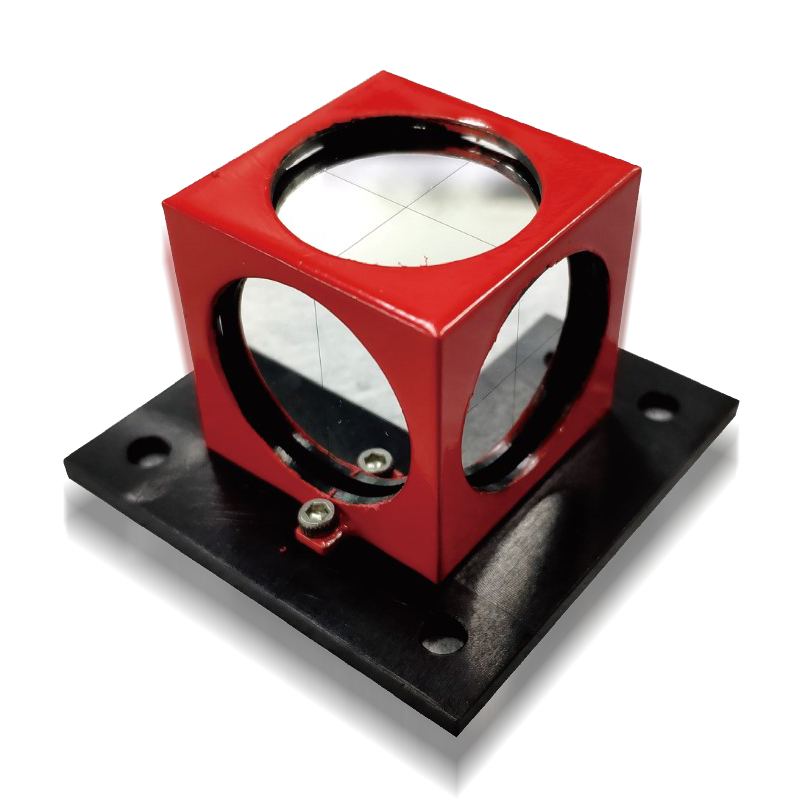
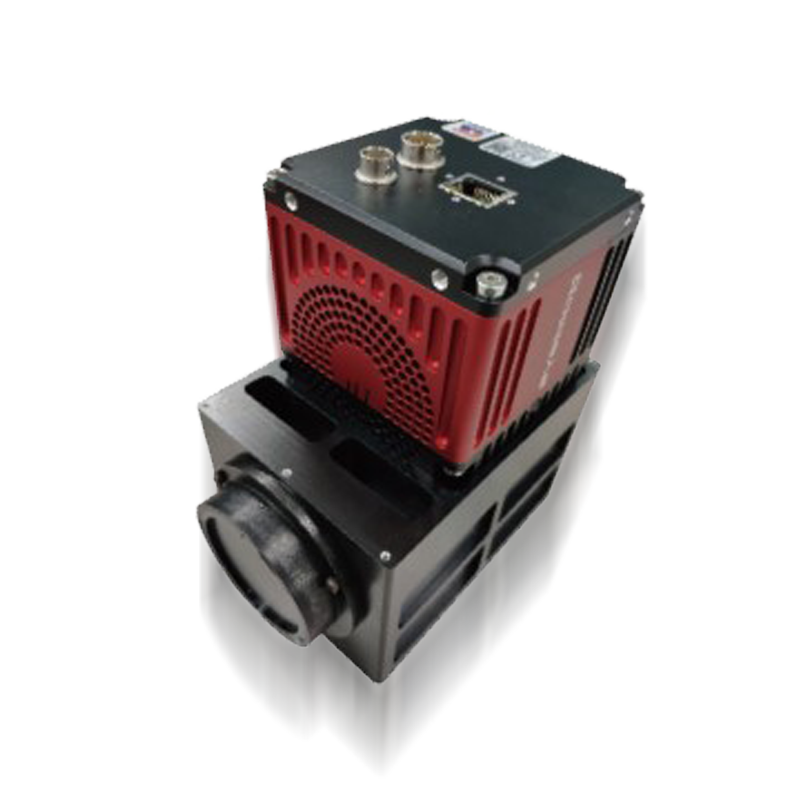
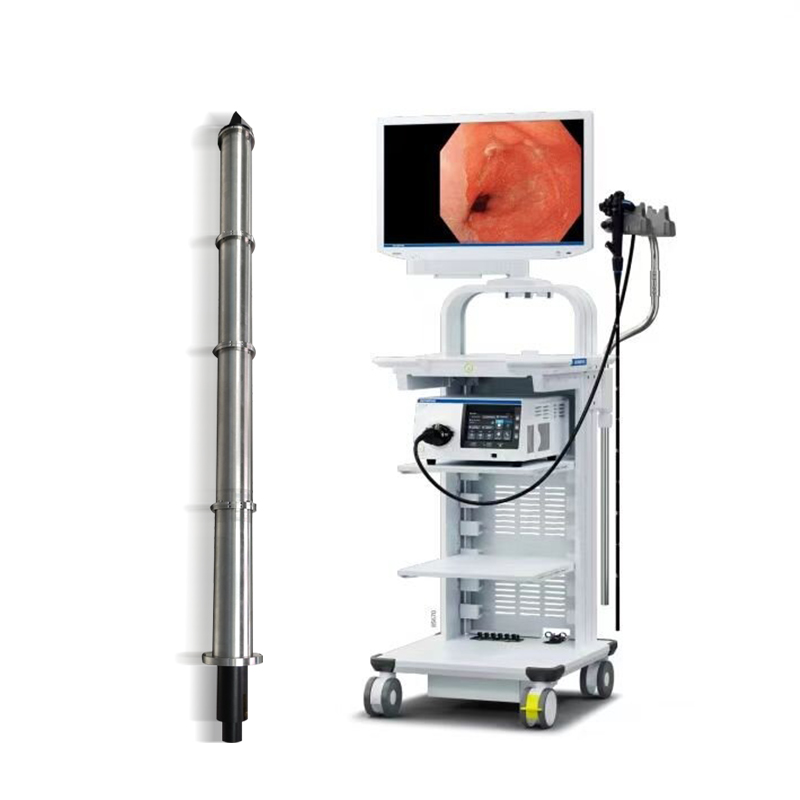
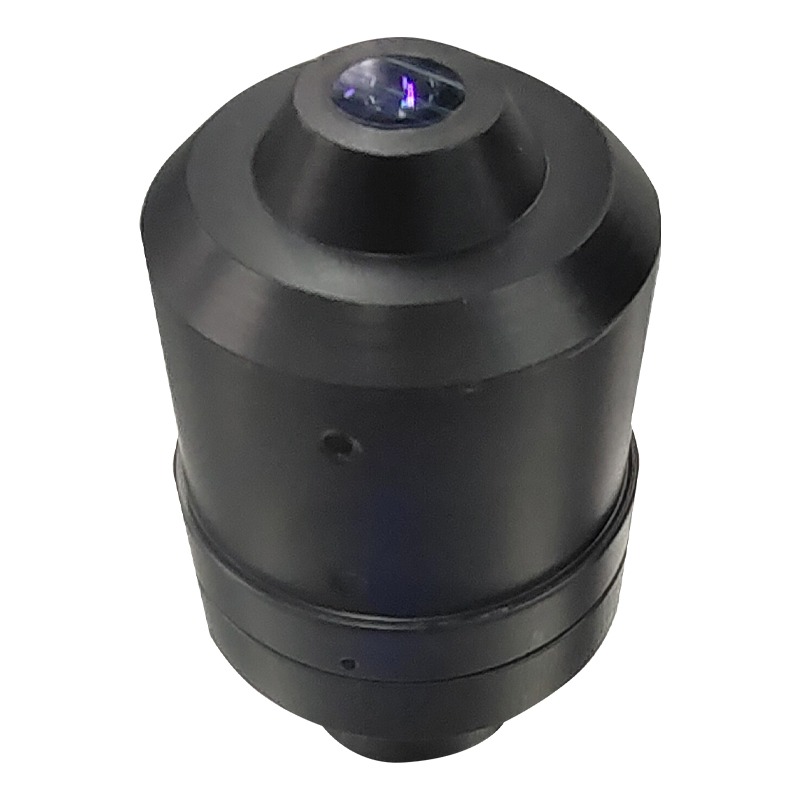
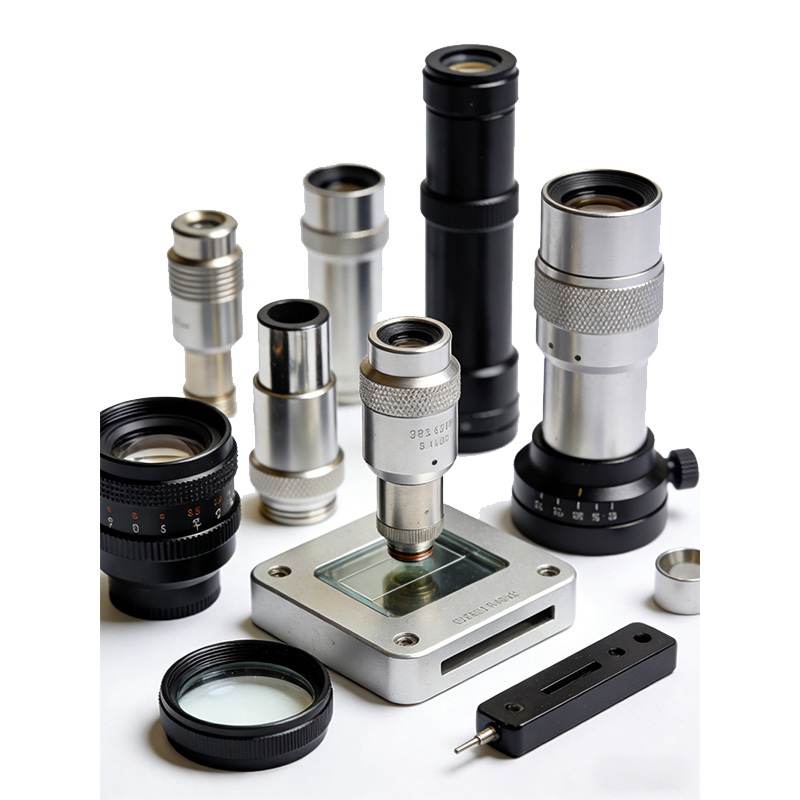
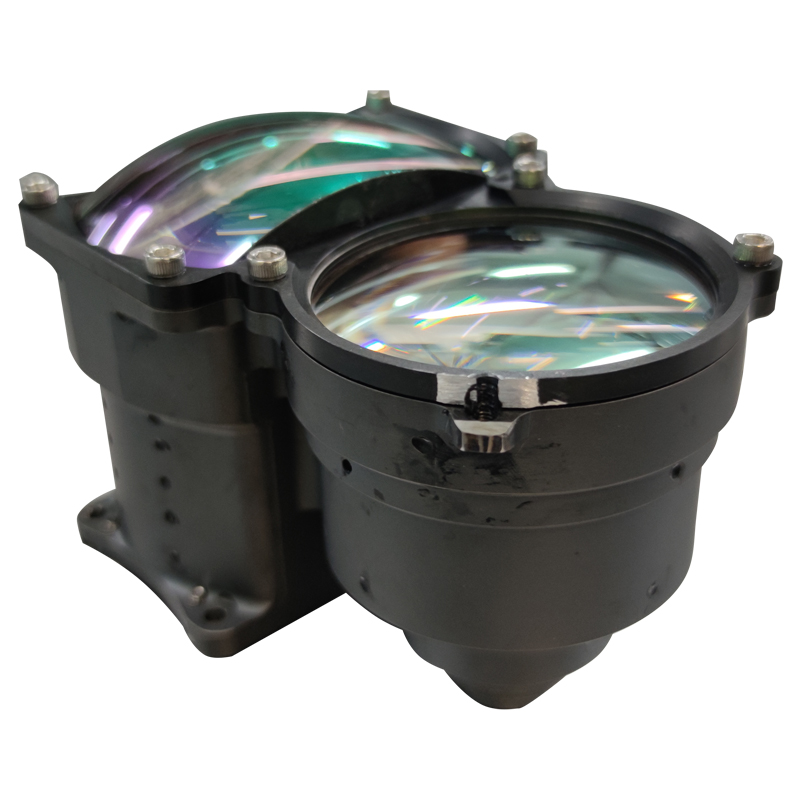
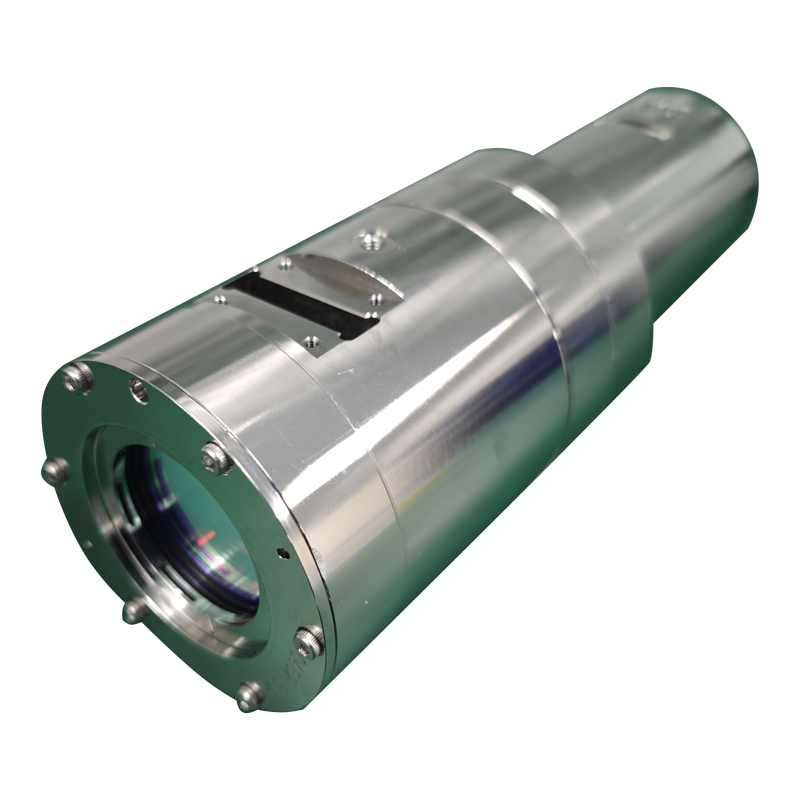
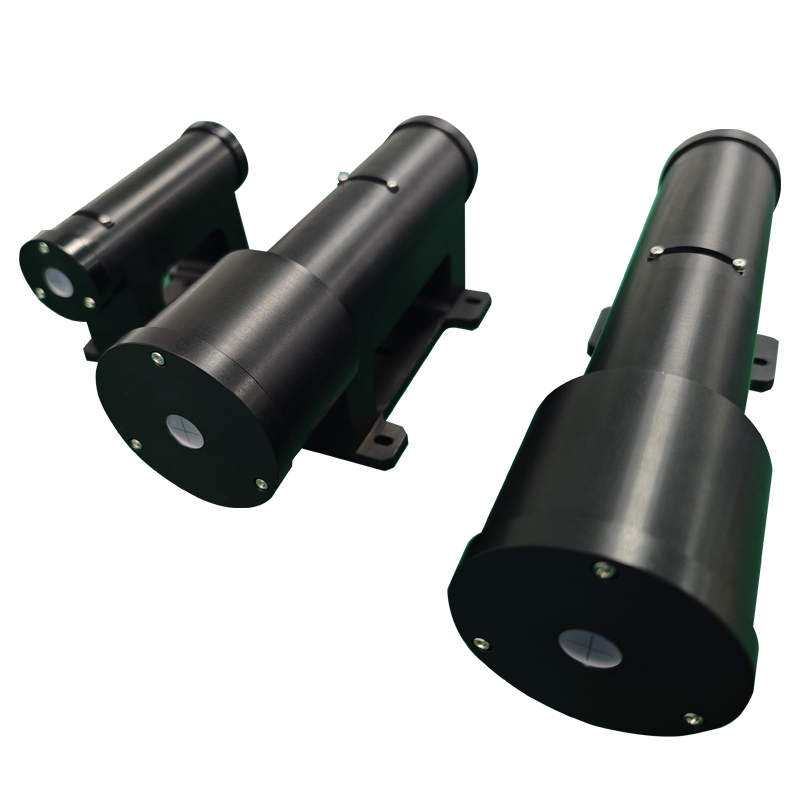
Coating selection depends on substrate, wavelength, angle of incidence, polarization and power density. The six coating families below provide reference curves for discussing an application.
Anti-Reflection Coating
Anti-reflection coatings reduce interface reflection within a defined spectral band. Specify substrate, wavelength range, angle of incidence and polarization before selecting a coating stack.
Properties, applications and specifications
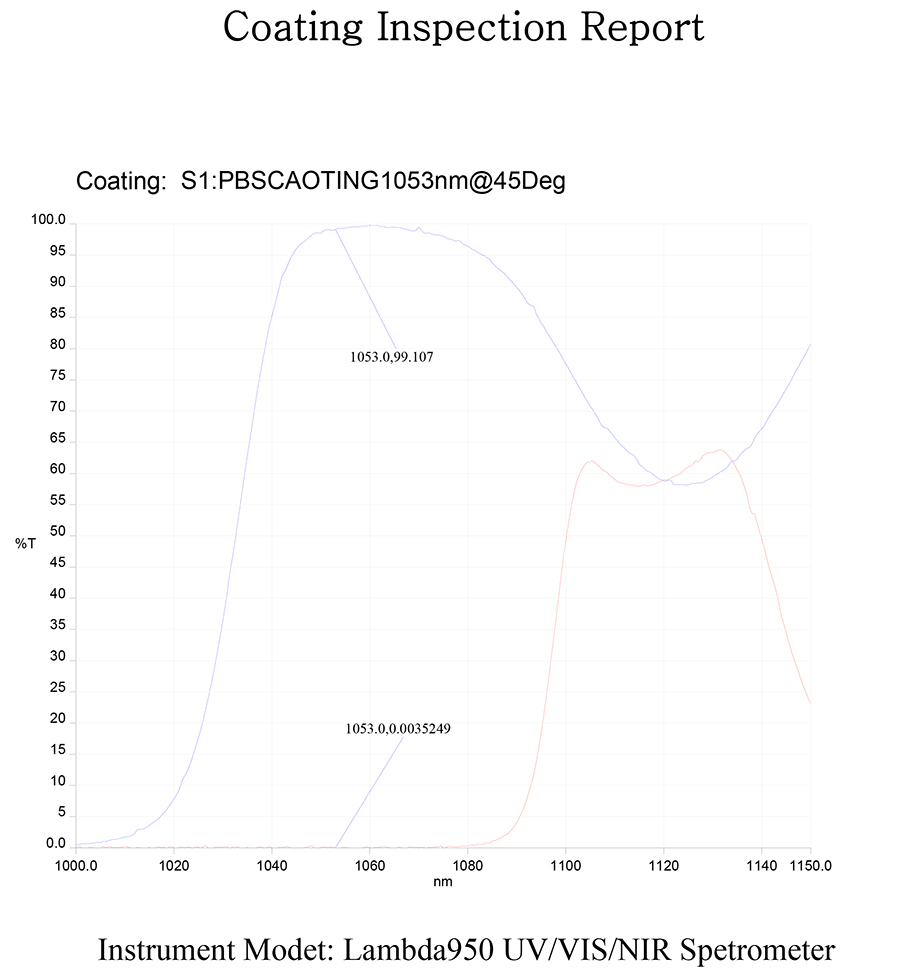
Dichroic Coating
Dichroic coatings separate spectral bands by reflecting one range while transmitting another. Edge position, incidence angle and polarization define their use as wavelength-routing optics.
Properties, applications and specifications
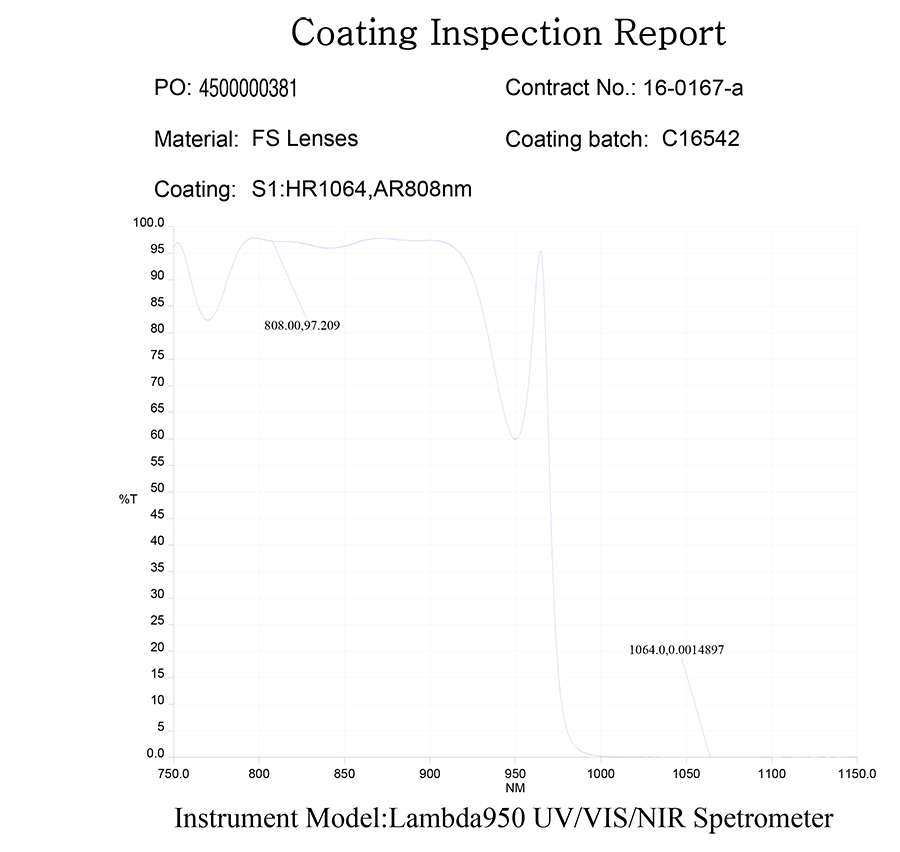
High-Reflection Coating
High-reflection coatings return light over a specified wavelength band. Laser-cavity and beam-routing designs also depend on coating absorption, scatter and damage resistance.
Properties, applications and specifications
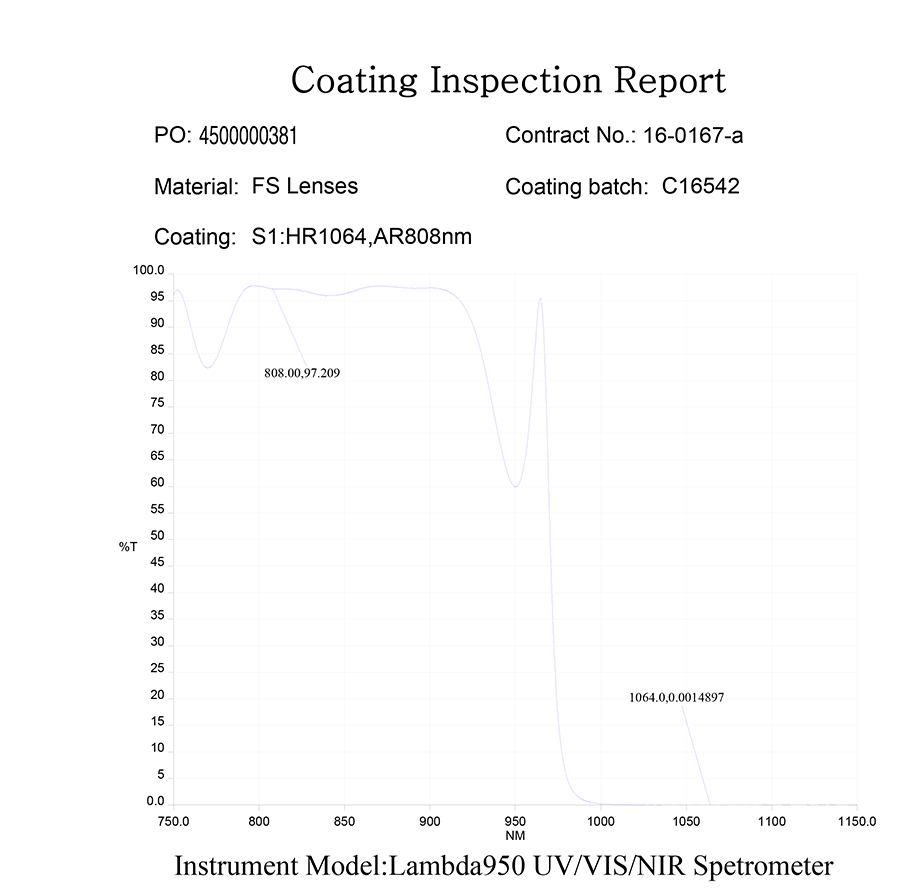
IPL Filter Coating
IPL filter coatings shape the useful transmission band of an intense pulsed-light system. Cut-on position, blocking, thermal loading and substrate dimensions form the coating specification.
Properties, applications and specifications
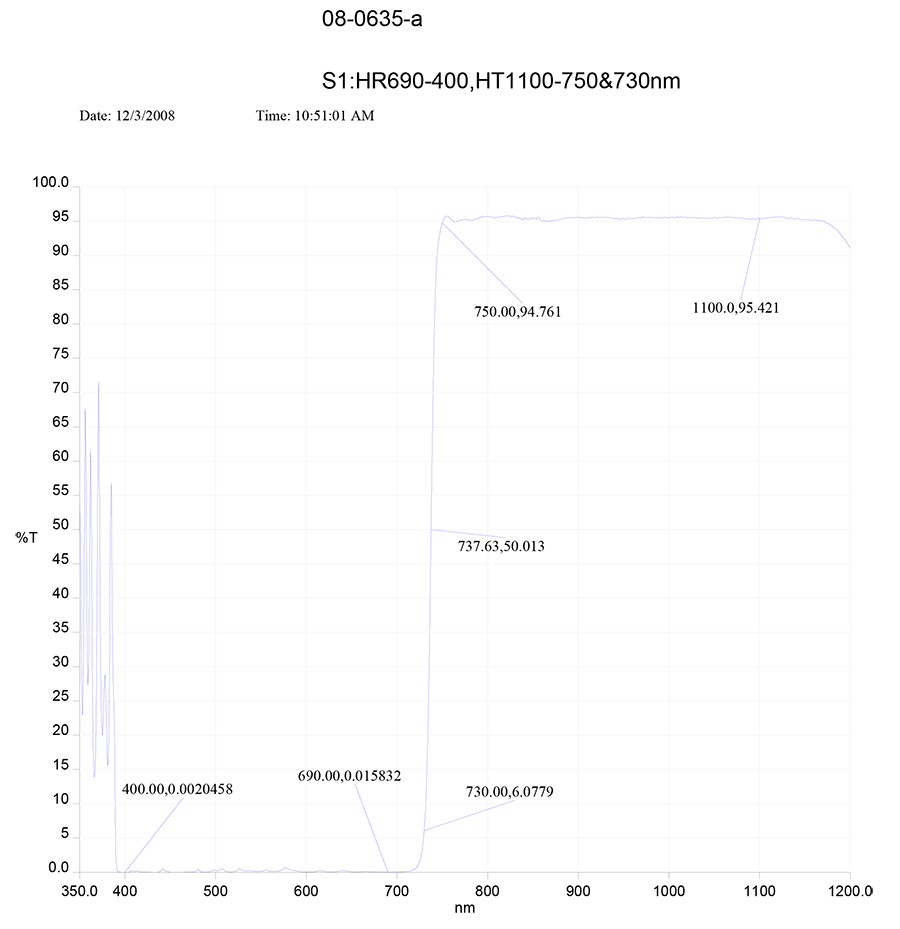
Partial-Reflection Coating
Partial-reflection coatings divide optical power between reflected and transmitted beams. The required split must be stated with wavelength, angle of incidence and polarization.
Properties, applications and specifications
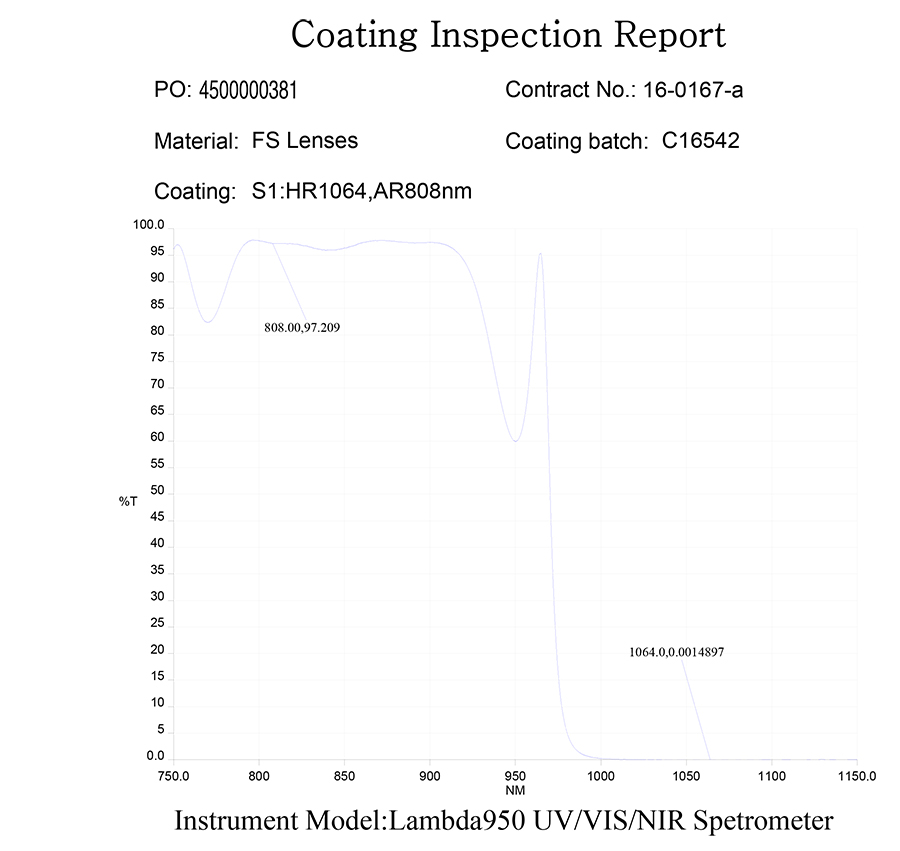
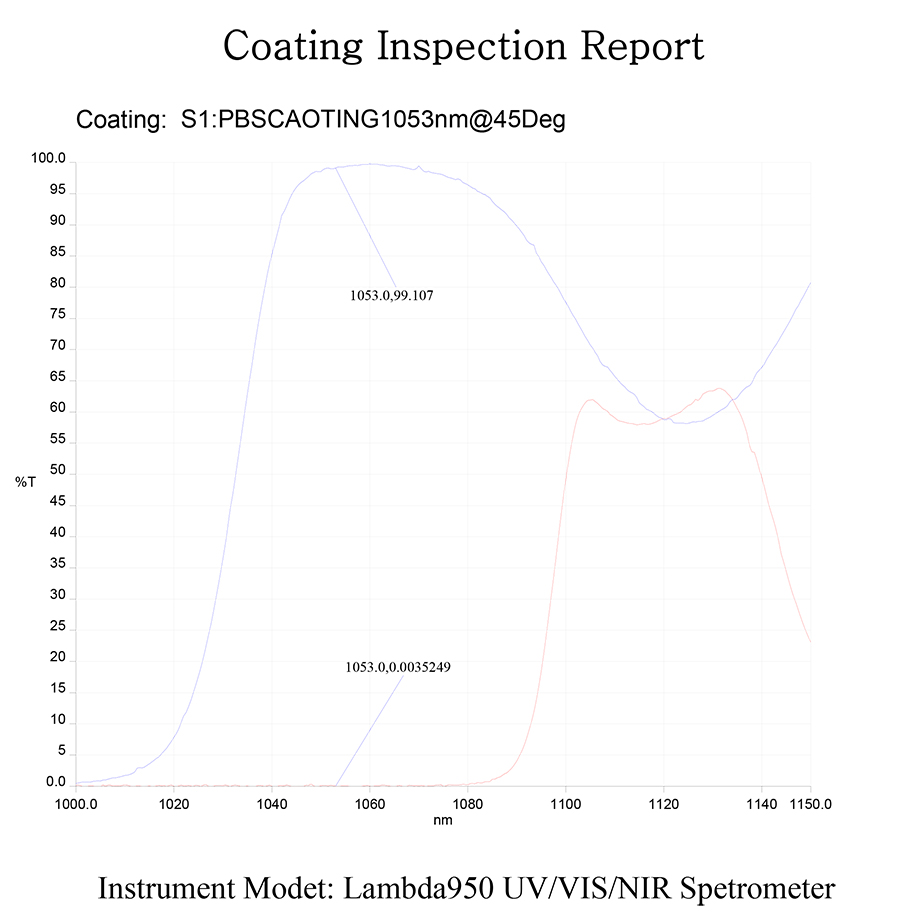
Polarizing Coating
Polarizing coatings provide different transmission and reflection responses for s and p polarization. Specify both polarization channels and the incidence geometry when defining extinction and throughput.
Properties, applications and specifications