Applications

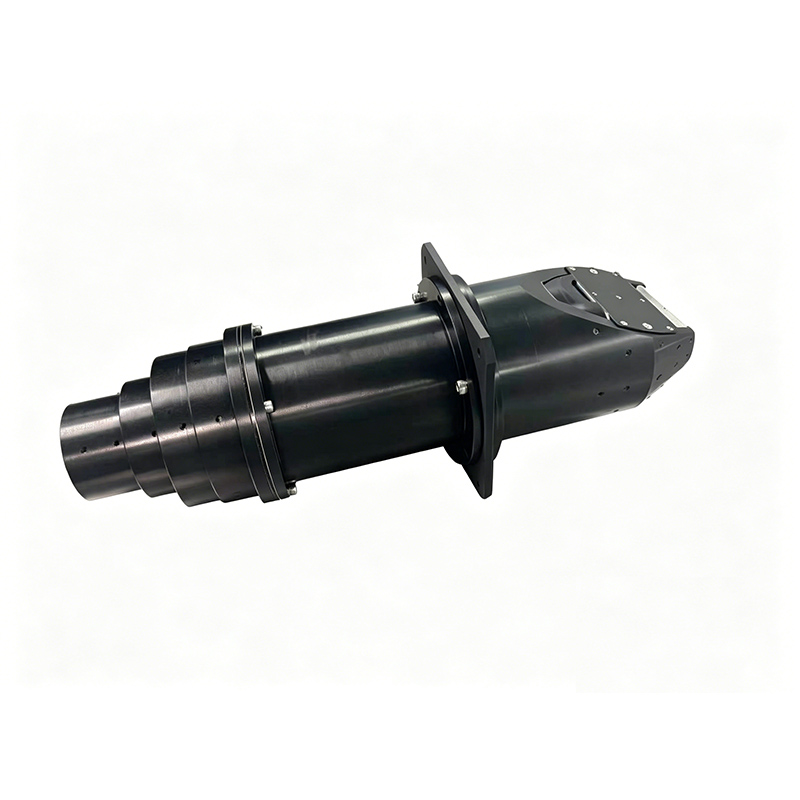
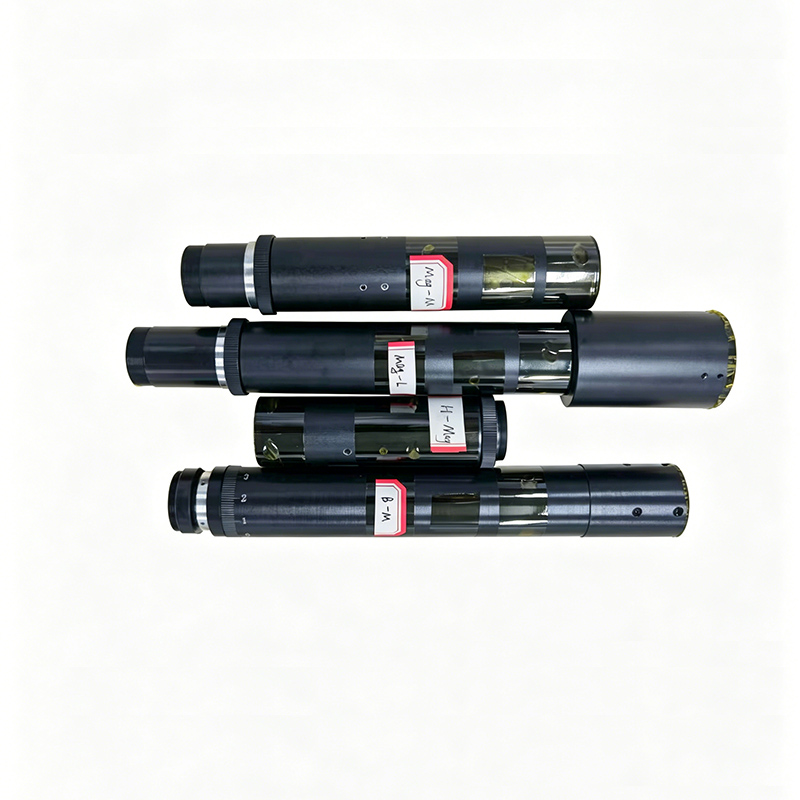
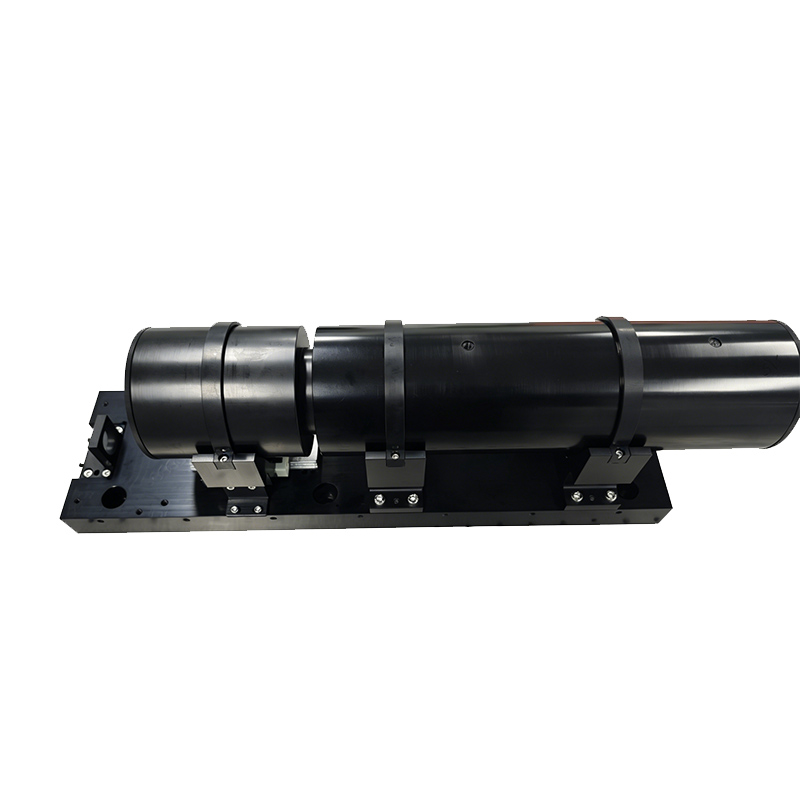
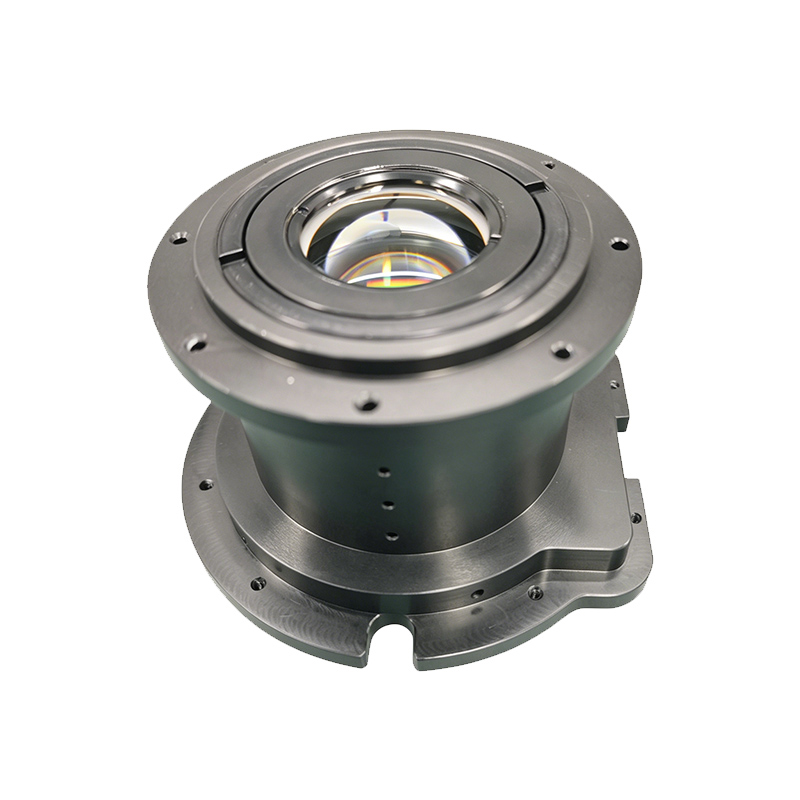
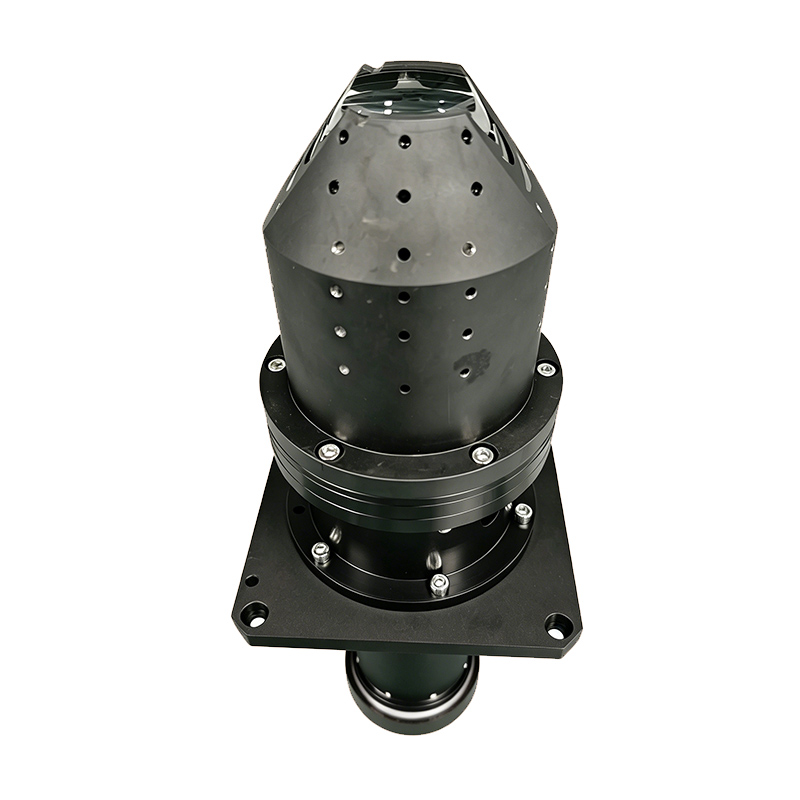
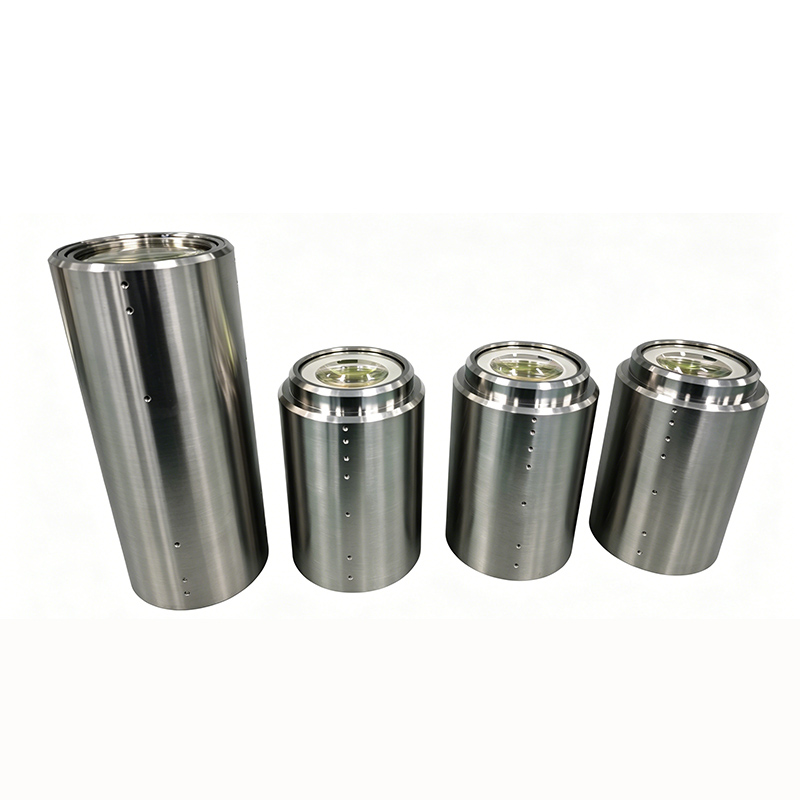
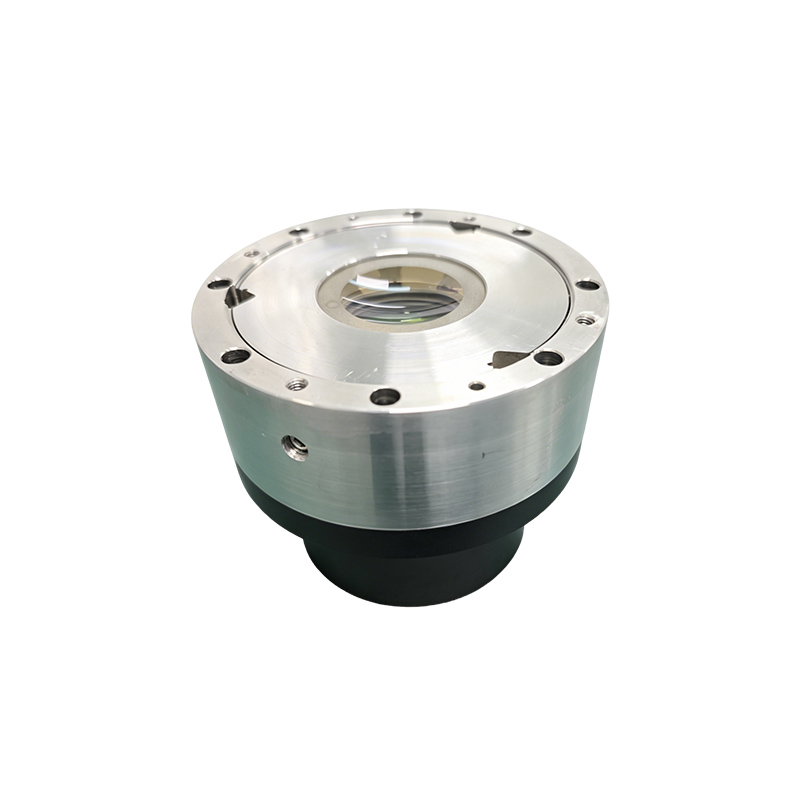
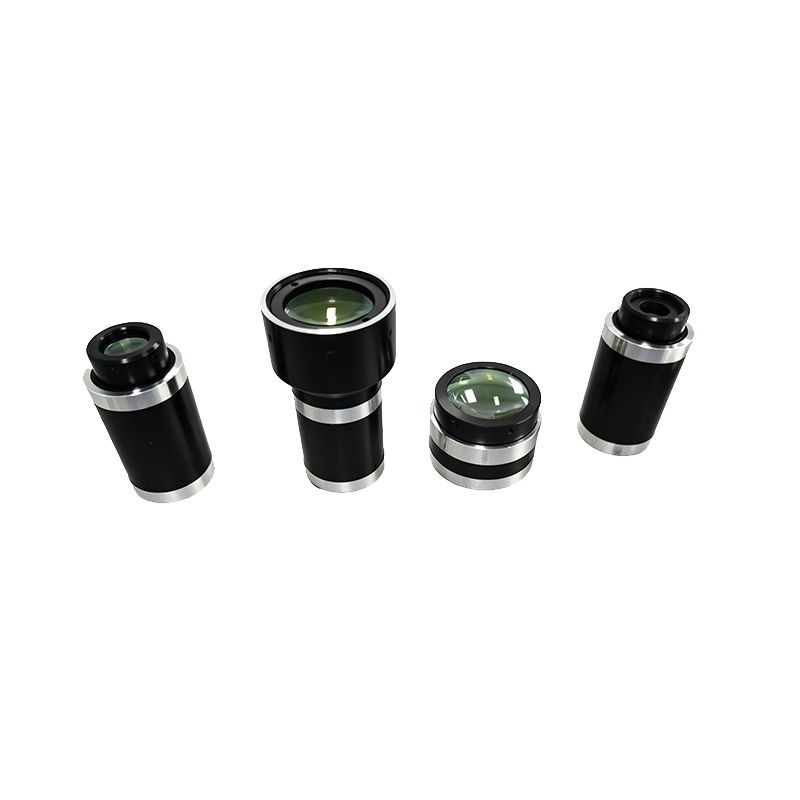
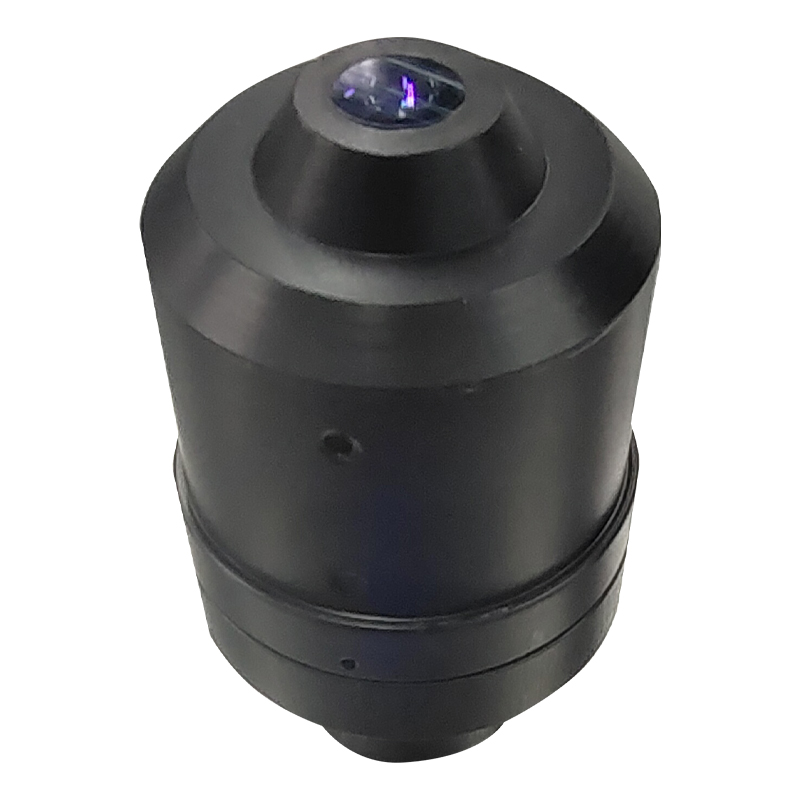
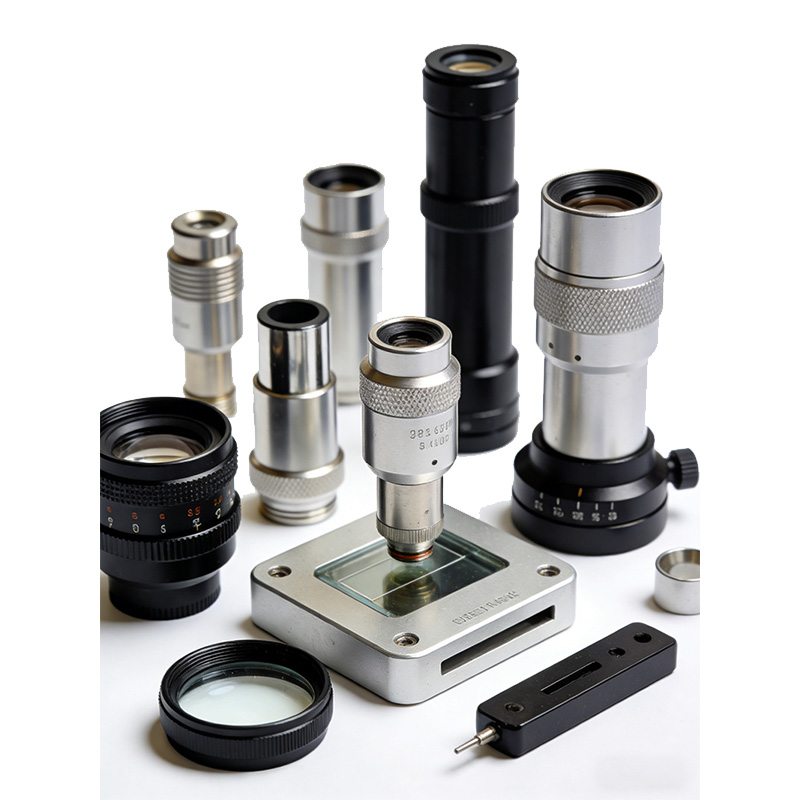
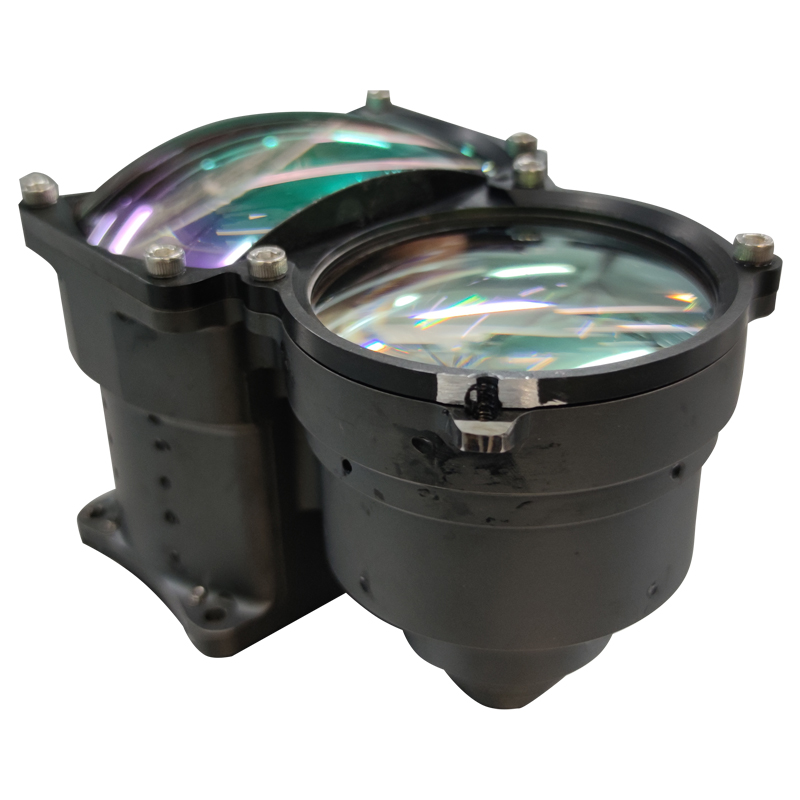
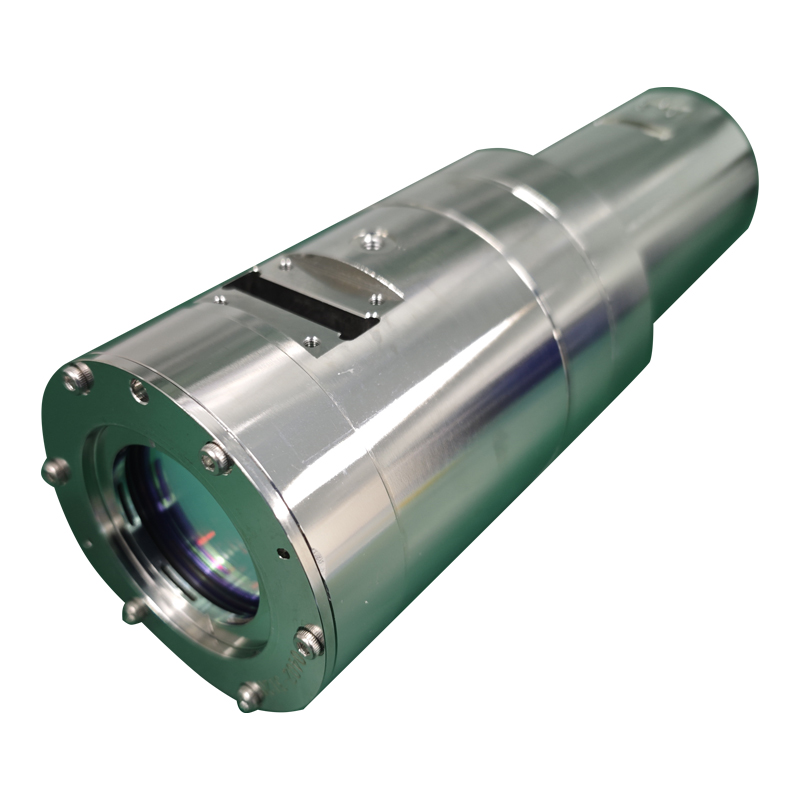
Optical components support medical imaging, microscopy and biomedical research. Compact size, image quality and wavelength compatibility are important considerations when integrating lenses into an instrument.
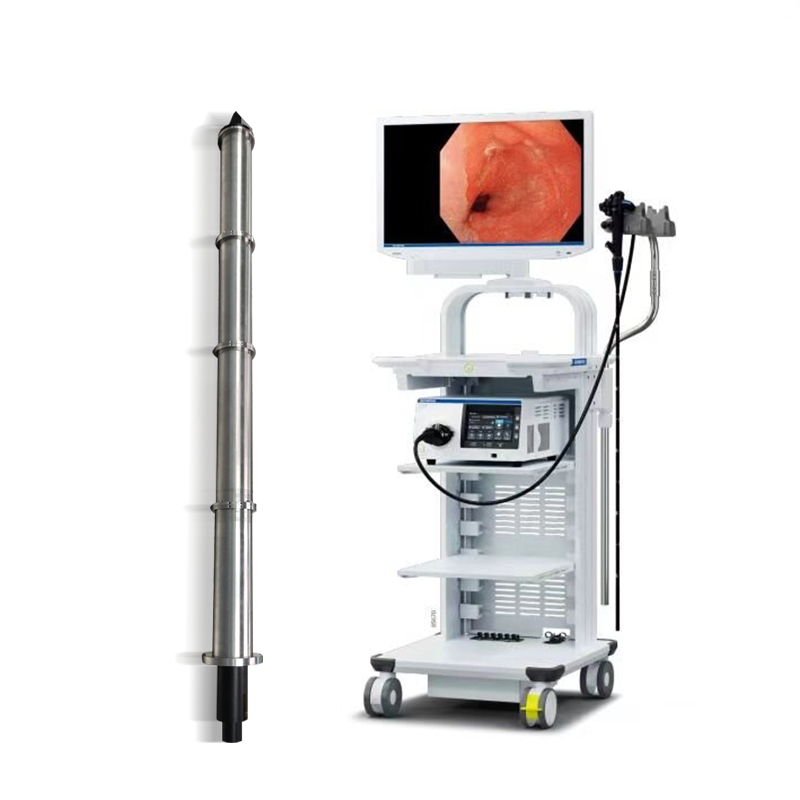
Applications include pathology-slide imaging, endoscopic observation, ophthalmic imaging and surgical microscopy. Appropriate magnification and resolution help reveal fine structures in cells, tissues and the working field.
Microscope and multispectral optics also support cell-culture observation and laboratory research. Designs for medical instruments must account for the specific device's cleaning, sterilization and compatibility requirements. Optical parameters can be adapted to the intended imaging application.
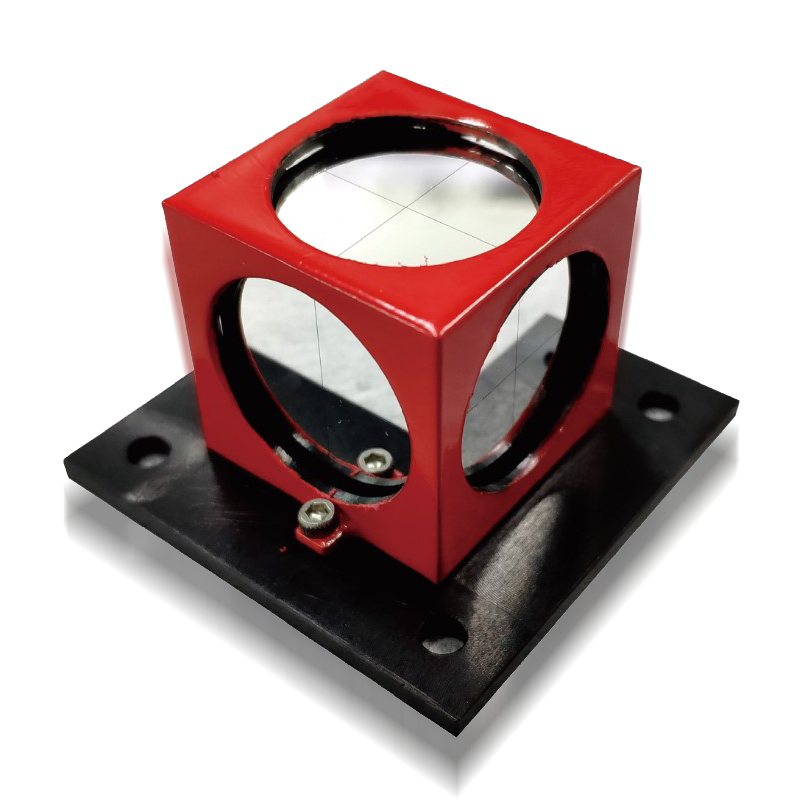
A fluorescence filter set separates illumination from a weak emitted signal. An excitation filter selects the incident band, a dichroic beamsplitter directs excitation light toward the sample, and an emission filter passes the fluorescence while suppressing unwanted light. These principles support instruments such as confocal microscopes and flow cytometers.
Related optical building blocks include bandpass and Raman filters, dichroic mirrors, lenses, windows and prisms. Filter transmission, blocking, angle of incidence and detector response should be considered together.