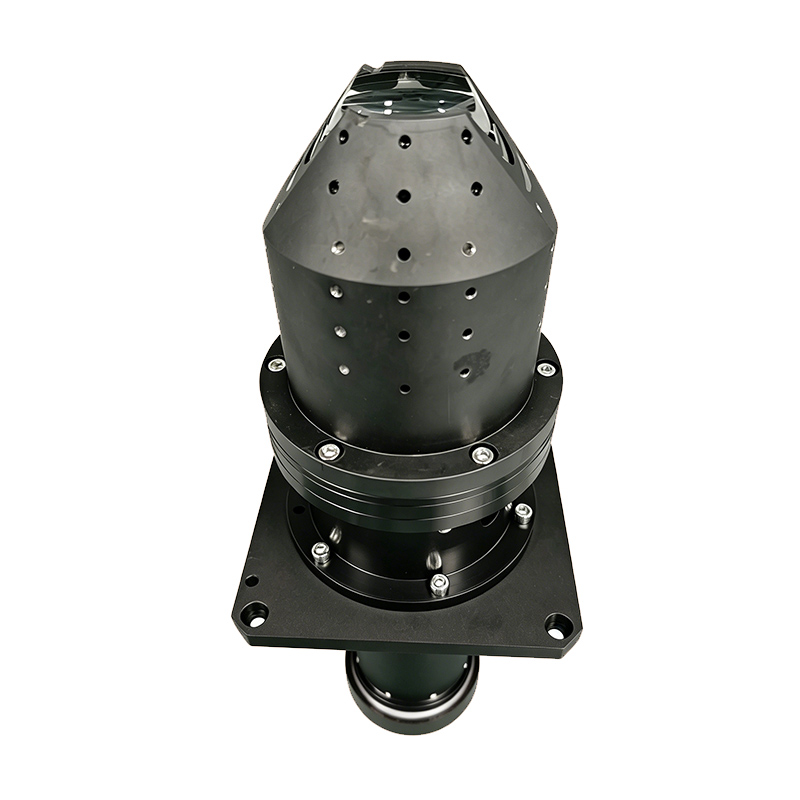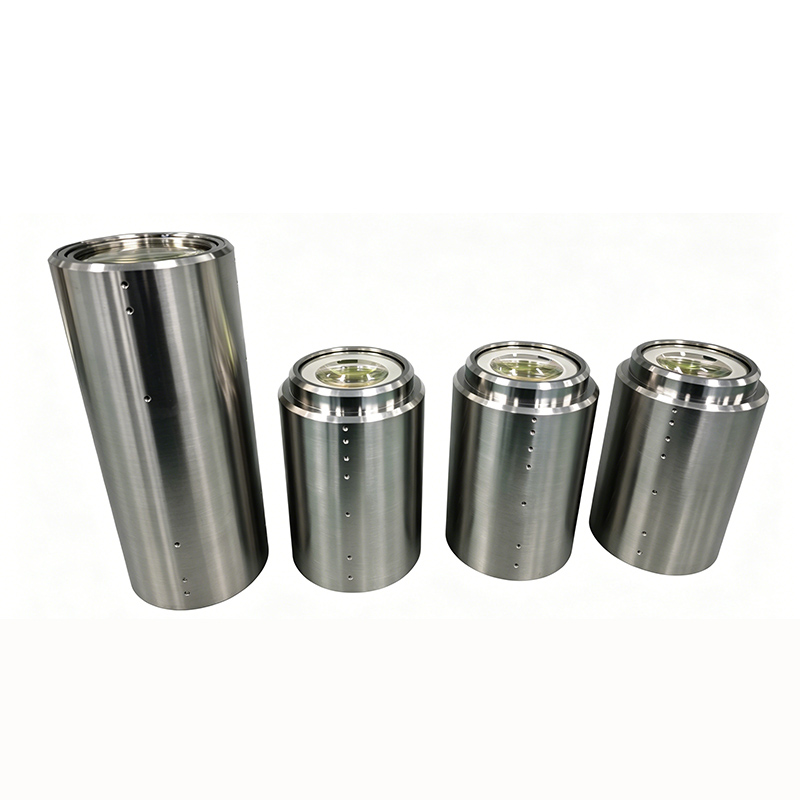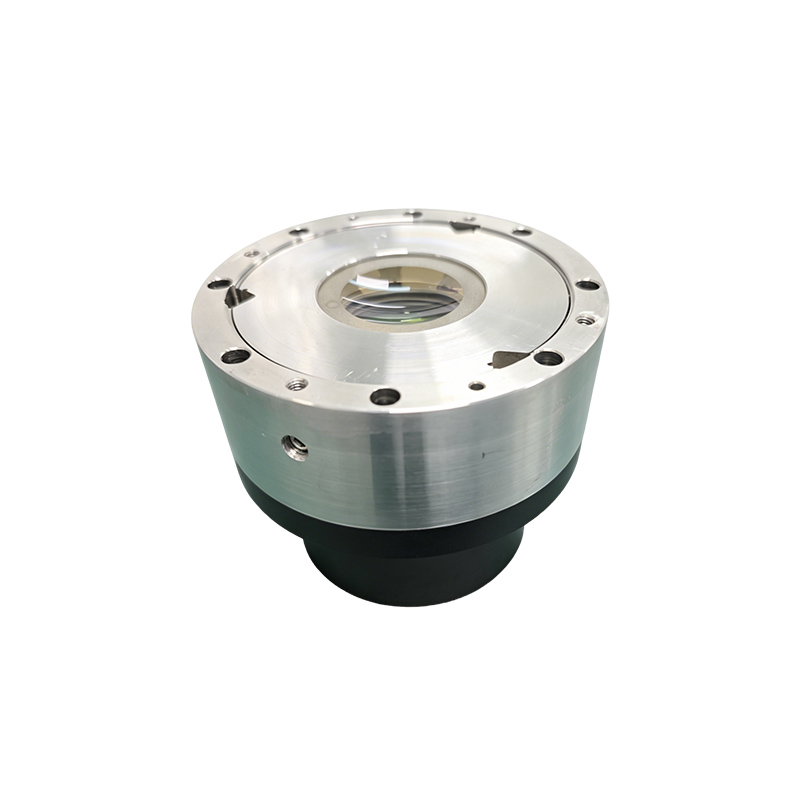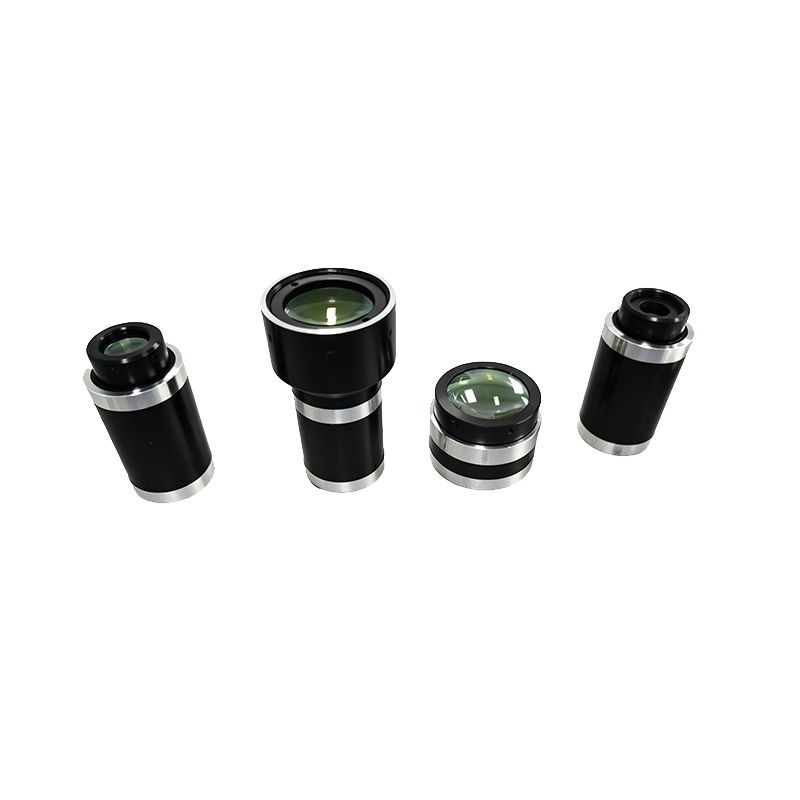
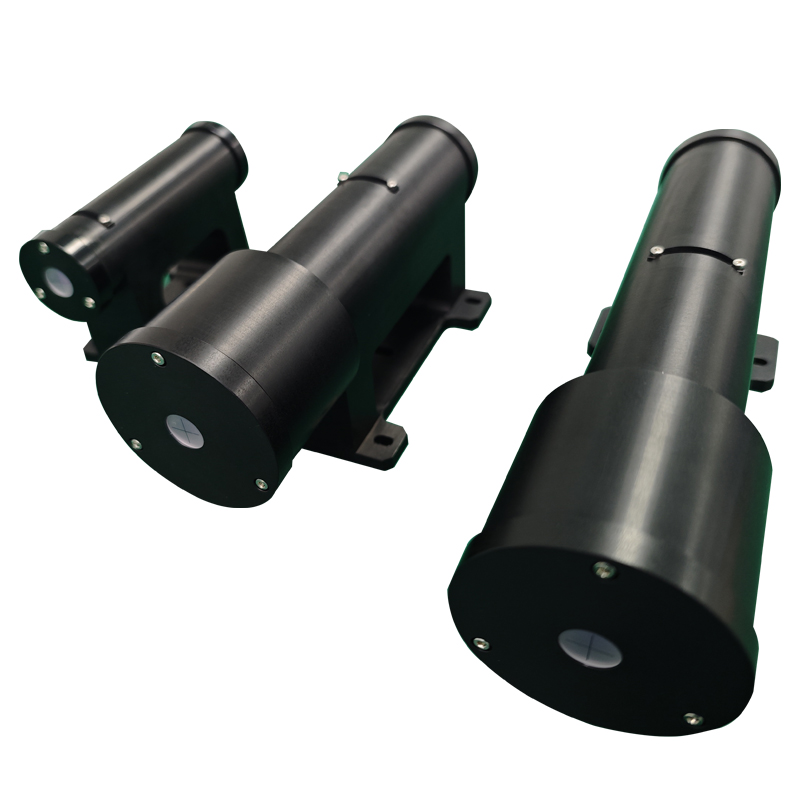
Optical Components
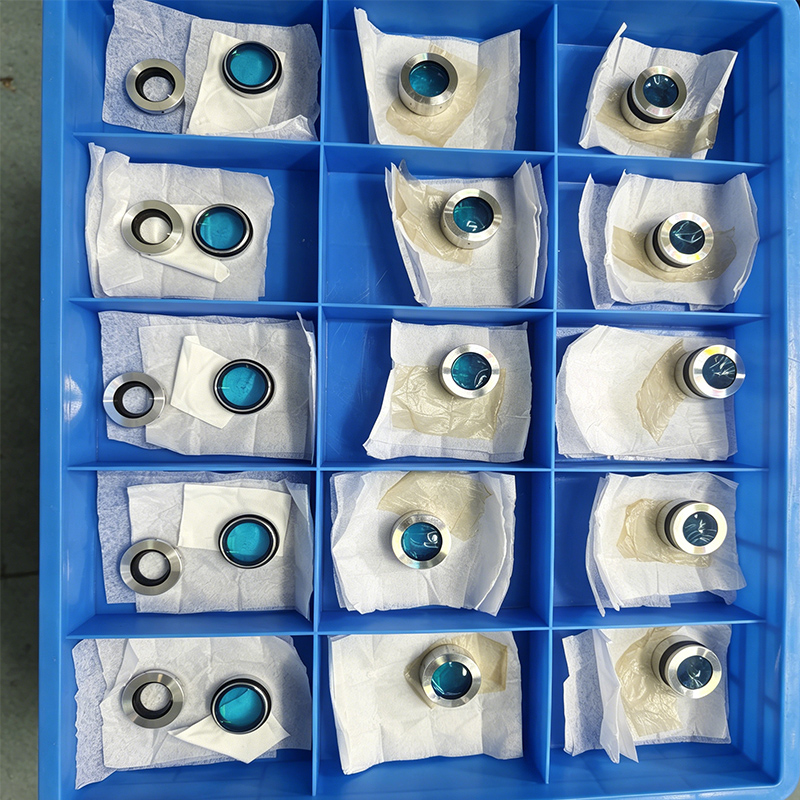
Metallization: Dense and scratch‑resistant, temperature‑resistant up to 400℃
Optical Coating: Optical properties remain nearly unchanged after baking at 400℃ for 1 hour
Products:
21.56×21.56×1mm, 11.8×11.795×0.5mm;
Germanium window, Silicon window
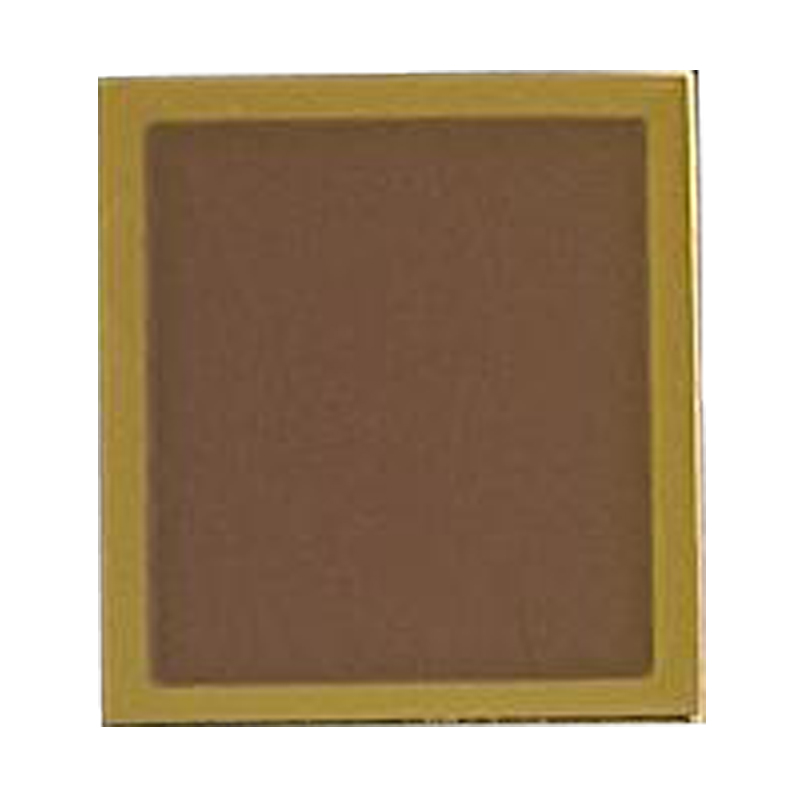
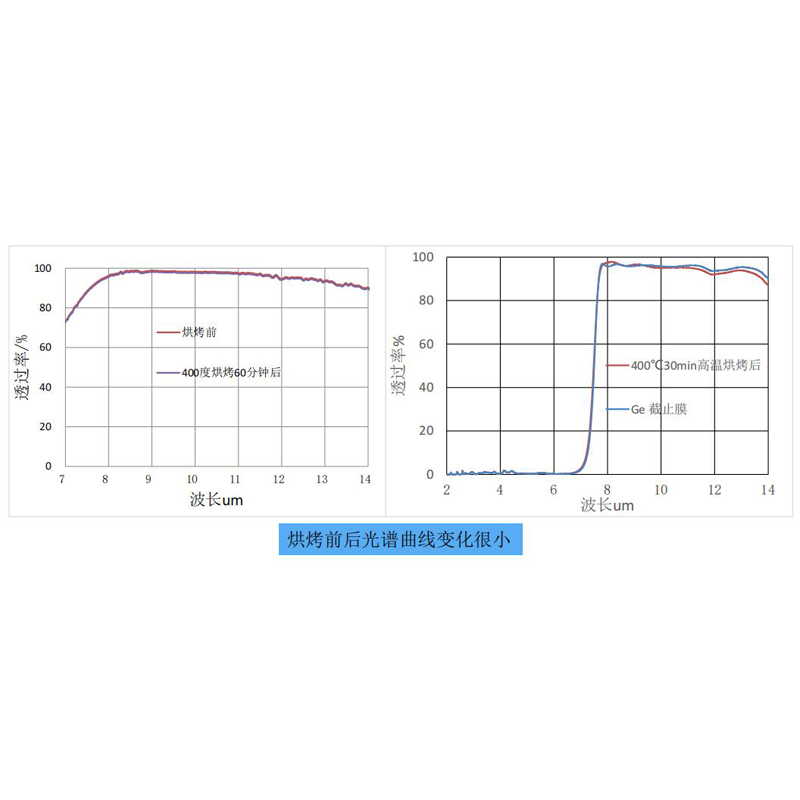
Germanium is an infrared substrate used for lenses and windows, especially in the 3–5 and 8–12 µm bands. Refractive index, dispersion, electrical resistance and temperature response all matter when choosing optical or EMI-shielding grades.
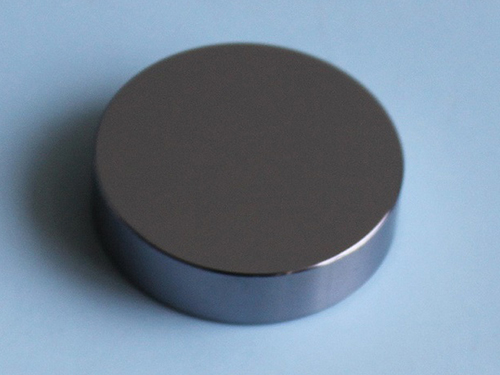
Ge shows good transmission in 2-15μm range. It has minimal chromatic aberration due to its high refractive index and low dispersion. A lens made of Ge brings minimal chromatic aberration and is very popular for IR systems operating in the 3-5 or 8-12μm spectrum. Ge is also a good electromagnetic interference (EMI) shielding material. EMI grade Ge windows with low resistance of 4-6 ohms are able to shield against electromagnetic interference within millimeter and centimeter ranges, allowing the IR system to show measurably better performance.
Ge blocks UV and visible light, as well as IR up to 2μm. Its density 5.323 gram/mm³ is highest of the IR transmitting materials, these properties limit its use to visible or NIR light combination and weight restricted systems.
Bulk Absorption Coefficient < 0.03/cm
Refractive Index 4.0028
Temperature change of Refractive Index 390 ×10 -6 /?
Thermal Conductivity at 20°C 0.59 W /cm/°C
Specific Heat 0.31 J /g/°C
Linear Expansion Coefficient @ 20°C 5.7 ×10 -6 /°C
Youngs Modulus 102.7 GPa
Rupture Modulus 93 Mpa
Knoop Hardness 780 Kg/ mm²
Poisson Ratio 0.28
Density 5.323 g/cm³
<111> Oriented within 2°deviation
Conductivity type: n
Specific resistance: 3-40 Ohm·cm
Clear Aperture 90%
Dimension Tolerance +0/-0.2mm
Thickness Tolerance ±0.2mm
Surface quality: 60/40 S/D after coating, 40/20 S/D before coating
Surface figure: 1/4 to 2 waves @ 632.8nm
Parallelism < 3 arc minutes
BBAR Coating R avg < 2% per surface @ 3-5μm
R avg < 2% per surface @ 8-12μm
Reference-unit note: legacy unit typography is retained in the detailed values. Confirm wavelength units, density units and drawing tolerances when defining an order.
Optical windows transmit light between different physical environments. Choosing a material and finish requires attention to spectral transmission, wavefront distortion, parallelism, scattering and operating conditions.
Windows are used to isolate different physical environments while allowing light to pass. When selecting windows you should consider materials, transmission, scattering, wavefront distortion, parallelism and resistance to certain environments.
Reference configurations include a wide range of different materials and different degree of precision windows. Special materials are available upon requirement.
A broad range of single layer or multilayer antireflective coatings on optical windows are available. Please refer to coatings for more information.
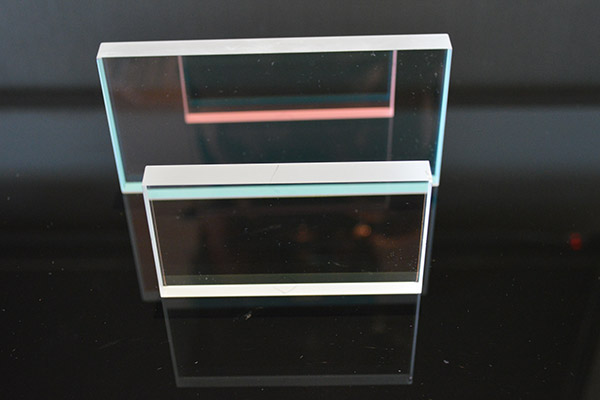
Reference substrate materials include:
N-BK7
UVFS
Si
Ge
CaF2
YAG
Sapphire
Float glass
Medical Laser system
Industrial Q-Switch Laser system
Specification of Windows
|
Material
|
UVFS, Corning7980, BK7,YAG ,Ge, ZnSe etc
|
|
Surface Flatness
|
≤λ/10 at 632.8 nm
|
|
Clear Aperture
|
≥85% of diameter
|
|
Surface Quality
|
10-5 scratch-dig per MIL-PRF-13830B
|
|
Diameter Tolerance
|
+0/-0.1 mm
|
|
Thickness Tolerance
|
±0.1 mm
|
|
Wedge
|
≤1 arc min
|
|
Chamfers
|
0.2mmX45°
|
|
Durability
|
MIL-M-48497
|
|
Damage Threshold
|
1064 nm: 20 J/cm2 with 10 nsec pulses, typical
532 nm: 5 J/cm2 with 10 nsec pulses, typical |