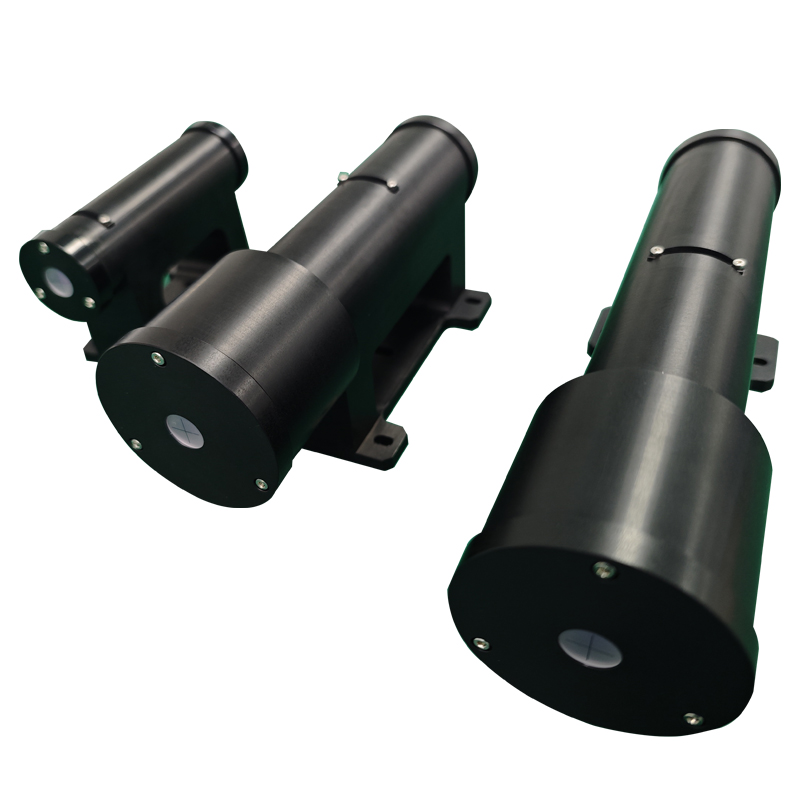
Optical Components
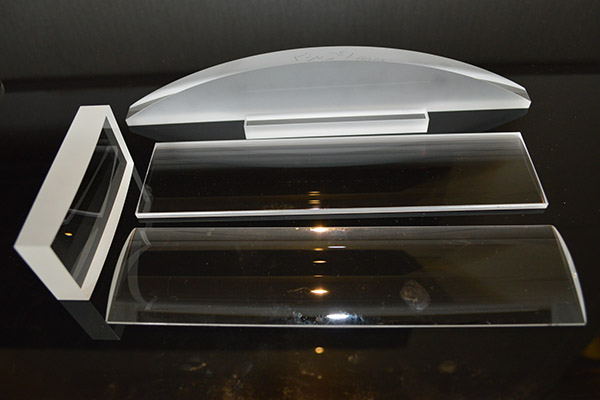
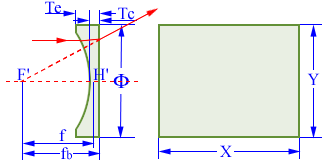
Cylindrical lenses include plano-convex cylindrical lenses, plano-concave cylindrical lenses, biconcave cylindrical lenses and biconvex cylindrical lenses. They are mainly used to meet design requirements of changing imaging size. For example, converting a point light spot into a line spot, or changing the height of an image without altering its width. They can be applied in linear detector illumination, barcode scanning, holographic lighting, optical information processing, computers and laser emission. Optical cylindrical lenses are also widely used in high-power laser systems and synchrotron radiation beamlines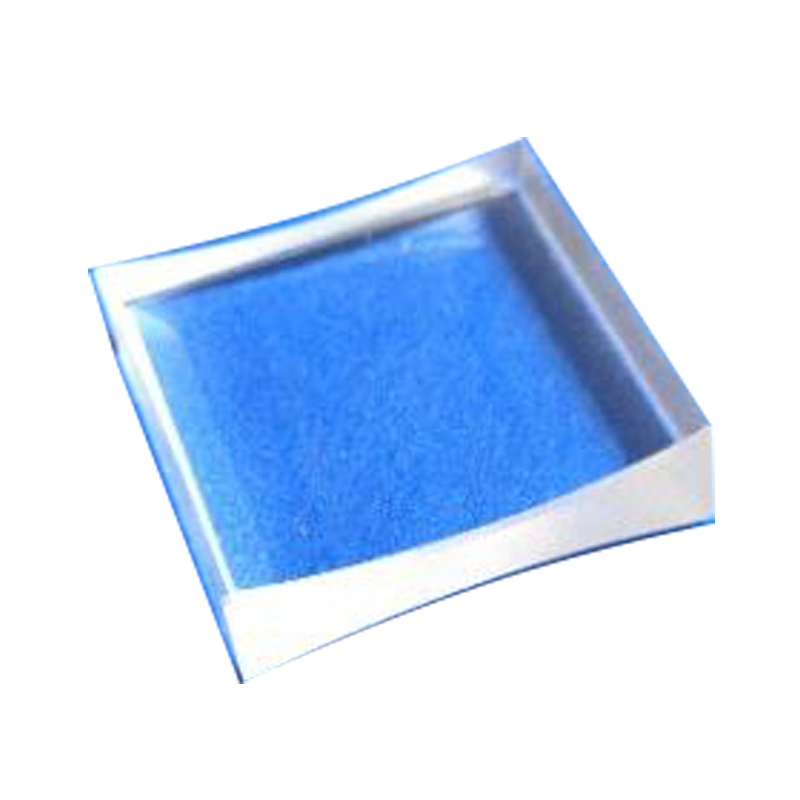
Cylindrical lenses focus or spread light along one axis for line generation, astigmatism control and beam shaping. Positive and negative focal-length configurations serve different imaging and laser-processing tasks.
Cylindrical lenses are used to correct astigmatism in the eye and in rangefinders, to produce astigmatism, tretching a point of light into a line, they are widely used in bar code scanning, projection optics systems, laser measurement systems and holography. Cylindrical lenses are available in either plano-concave or plano-convex configurations ; Plano-concave lenses have a negative focal length and are used for image reduction or to spread light Plano-convex lenses have a positive focal length, which makes them ideal for collecting and focusing light for many imaging applications.
| Cylindrical Lens | BK7 Fused Silica | 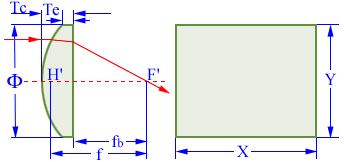 |
|
Cylindrical Lens
|
BK7 Fused Silica
|
 |
|
Attribute
|
Commercial
|
Hign Precision
|
|
Material
|
Schott N-BK7, H-K9L, Fused silica, Si, CaF2, Sapphire
|
|
|
Design Wavelength
|
546.07nm
|
|
|
Design Index (BK7)
|
1.51680 for BK7, 1.45846 for Fused Silica
|
|
|
Diameter Tolerance
|
+0.0, 0.15mm
|
+0.0, 0.05mm
|
|
Paraxial Focal Length
|
±2%
|
±0.5%
|
|
Cerntration
|
<3'
|
<1'
|
|
Surface Quality
|
60-40 scratch and dig
|
10-5 scratch and dig
|
|
Surface Irregularity
|
< λ/4
|
< λ/8
|
|
Protective Bevel
|
0.25 + 0.25, -0.0mm
|
0.2 ± 0.1mm
|