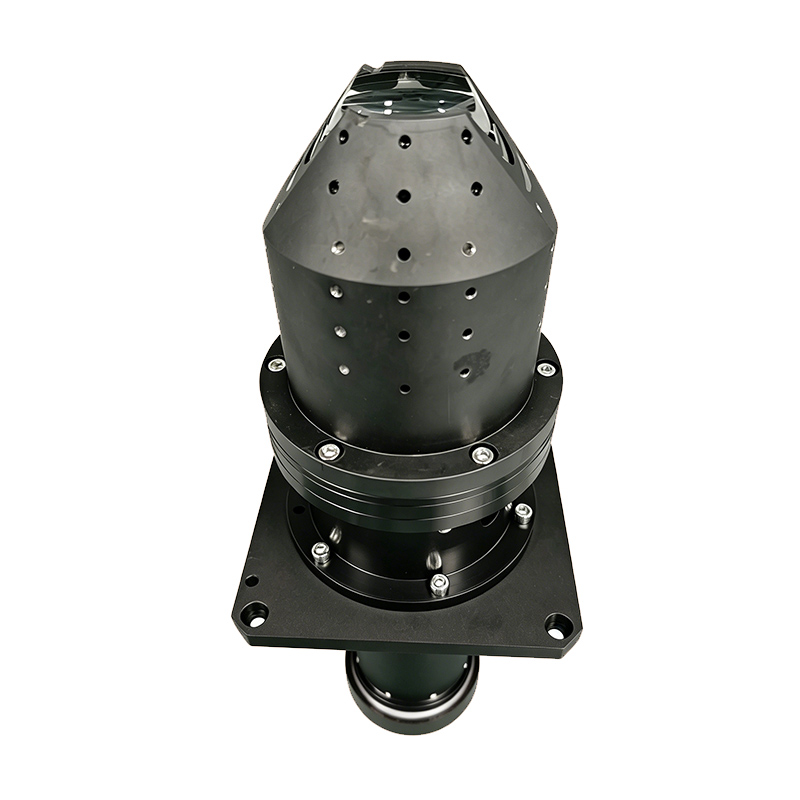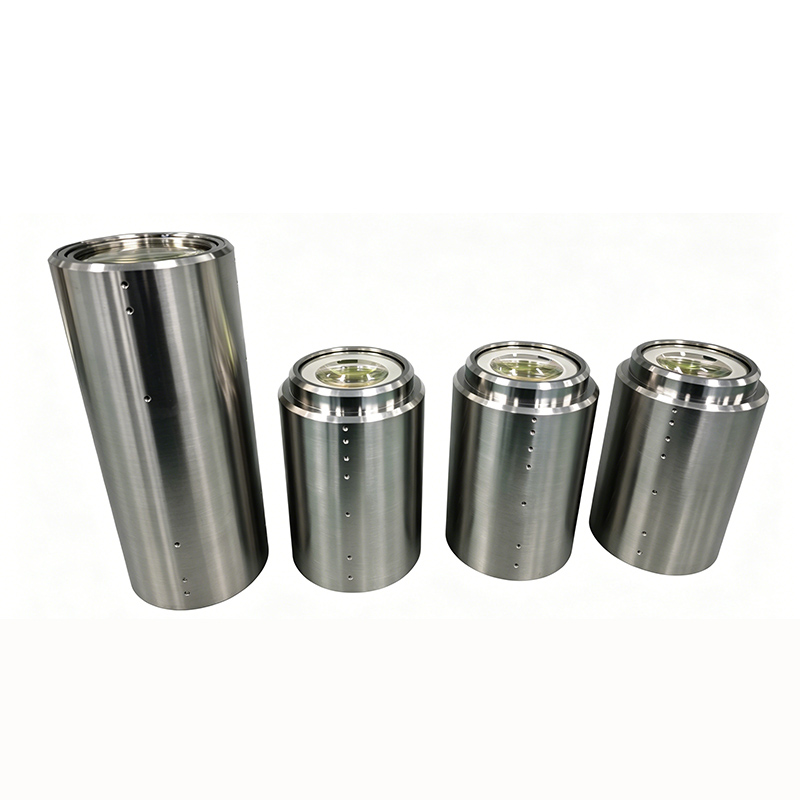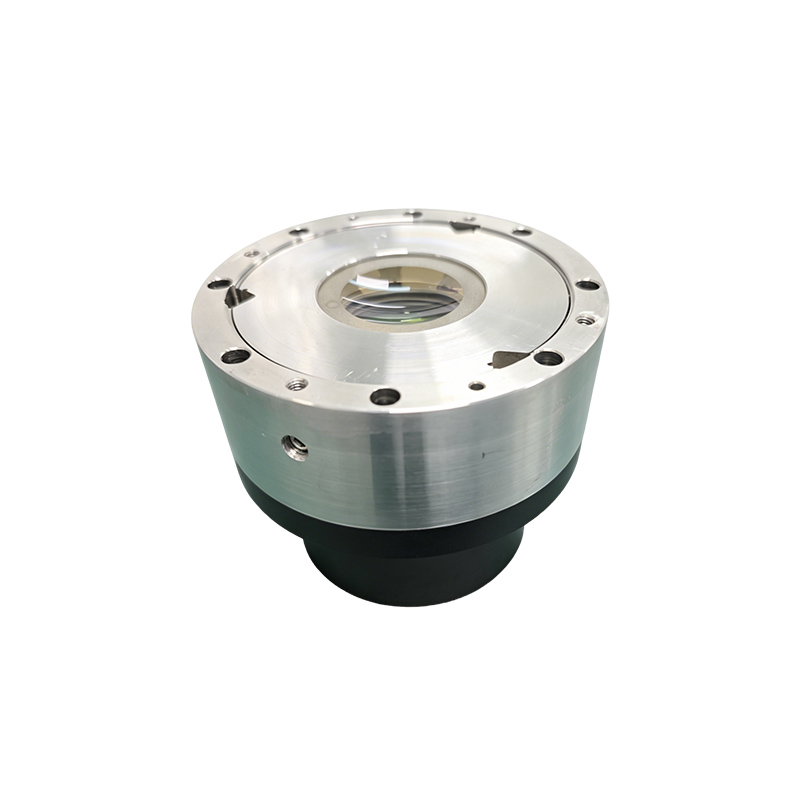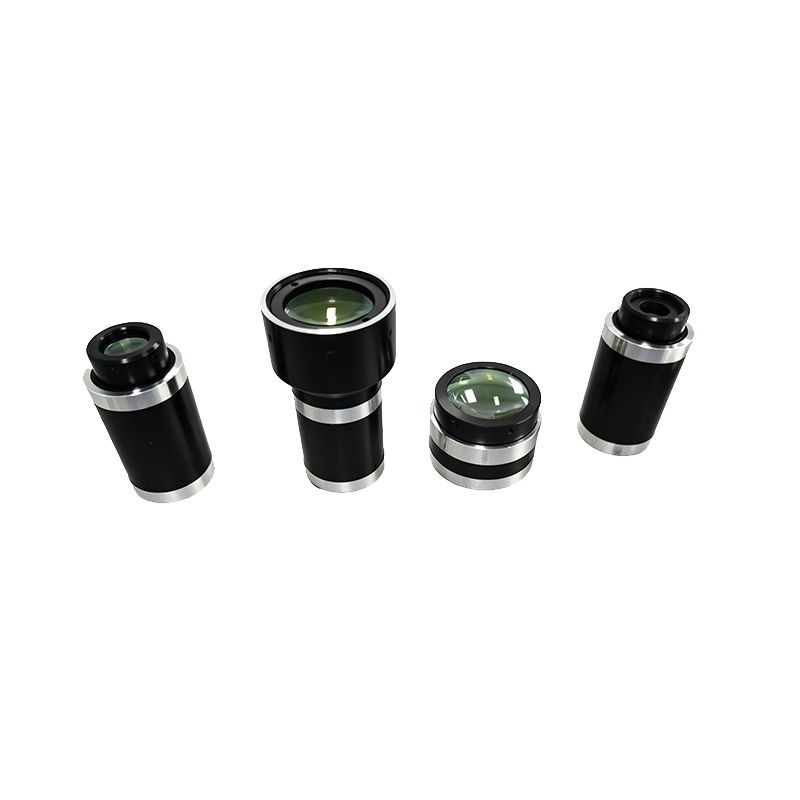
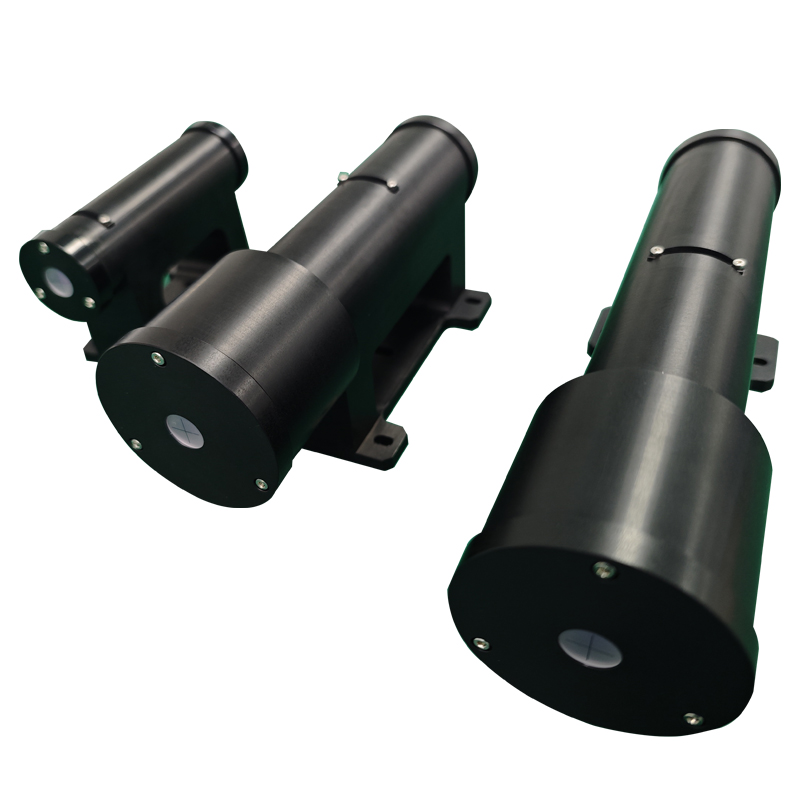
Optical Components
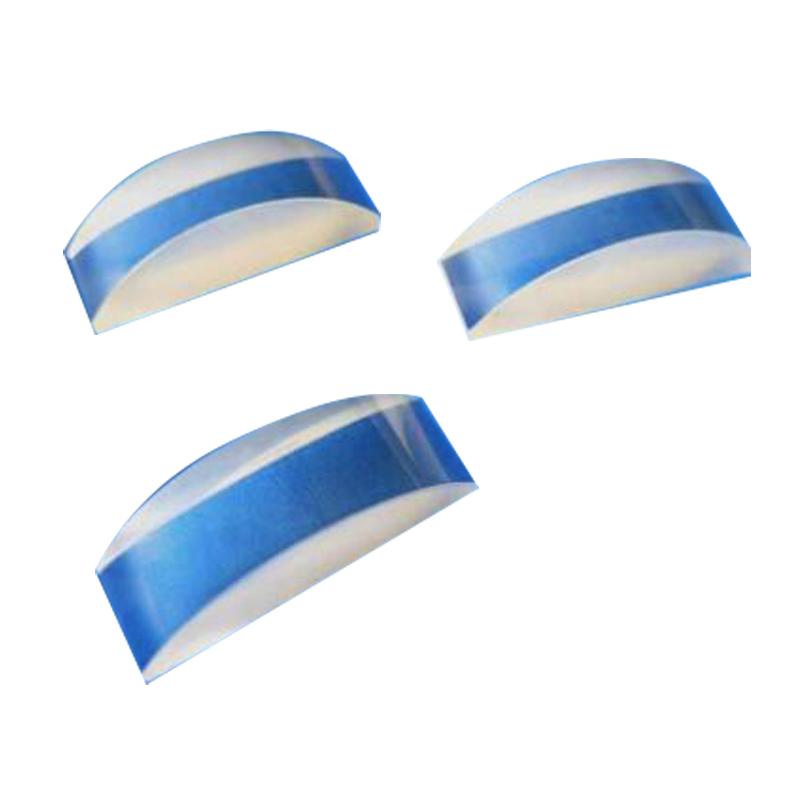
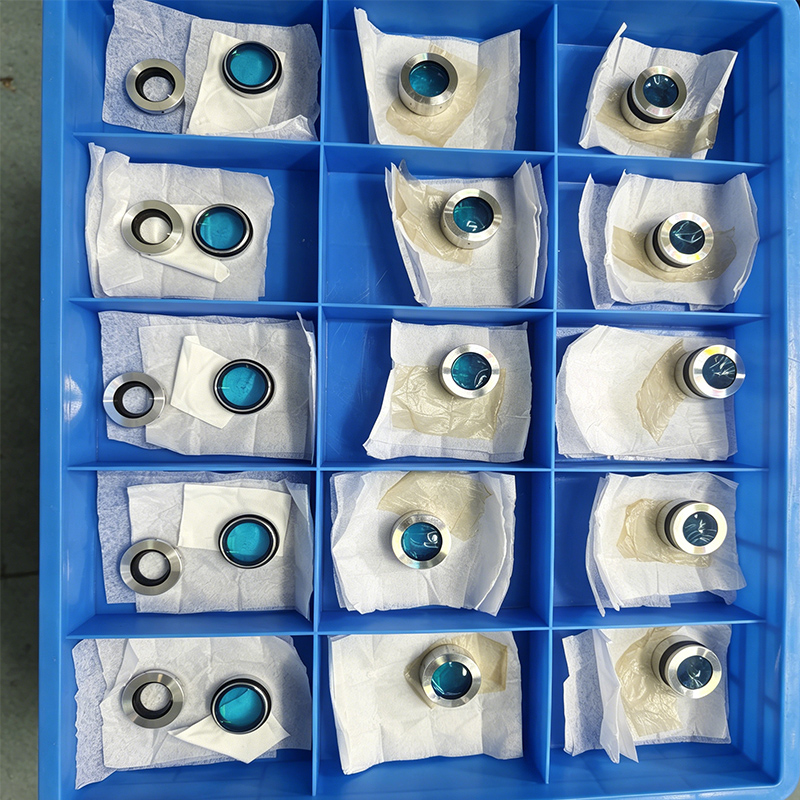
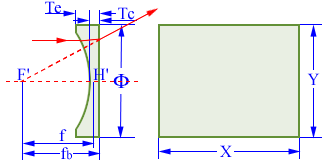
Cylindrical lenses focus or spread light along one axis for line generation, astigmatism control and beam shaping. Positive and negative focal-length configurations serve different imaging and laser-processing tasks.
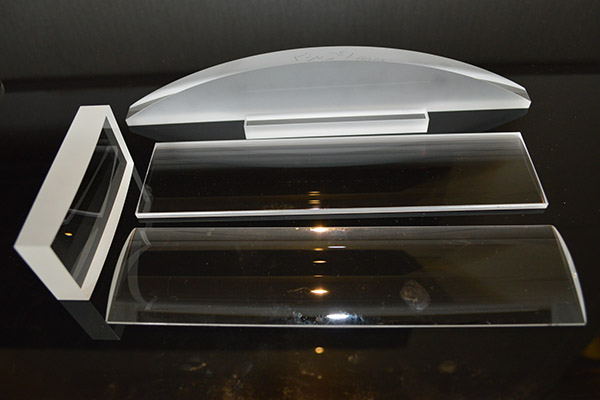
Cylindrical lenses are used to correct astigmatism in the eye and in rangefinders, to produce astigmatism, tretching a point of light into a line, they are widely used in bar code scanning, projection optics systems, laser measurement systems and holography. Cylindrical lenses are available in either plano-concave or plano-convex configurations ; Plano-concave lenses have a negative focal length and are used for image reduction or to spread light Plano-convex lenses have a positive focal length, which makes them ideal for collecting and focusing light for many imaging applications.
| Cylindrical Lens | BK7 Fused Silica | 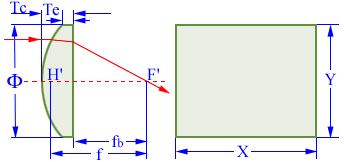 |
|
Cylindrical Lens
|
BK7 Fused Silica
|
 |
|
Attribute
|
Commercial
|
Hign Precision
|
|
Material
|
Schott N-BK7, H-K9L, Fused silica, Si, CaF2, Sapphire
|
|
|
Design Wavelength
|
546.07nm
|
|
|
Design Index (BK7)
|
1.51680 for BK7, 1.45846 for Fused Silica
|
|
|
Diameter Tolerance
|
+0.0, 0.15mm
|
+0.0, 0.05mm
|
|
Paraxial Focal Length
|
±2%
|
±0.5%
|
|
Cerntration
|
<3'
|
<1'
|
|
Surface Quality
|
60-40 scratch and dig
|
10-5 scratch and dig
|
|
Surface Irregularity
|
< λ/4
|
< λ/8
|
|
Protective Bevel
|
0.25 + 0.25, -0.0mm
|
0.2 ± 0.1mm
|