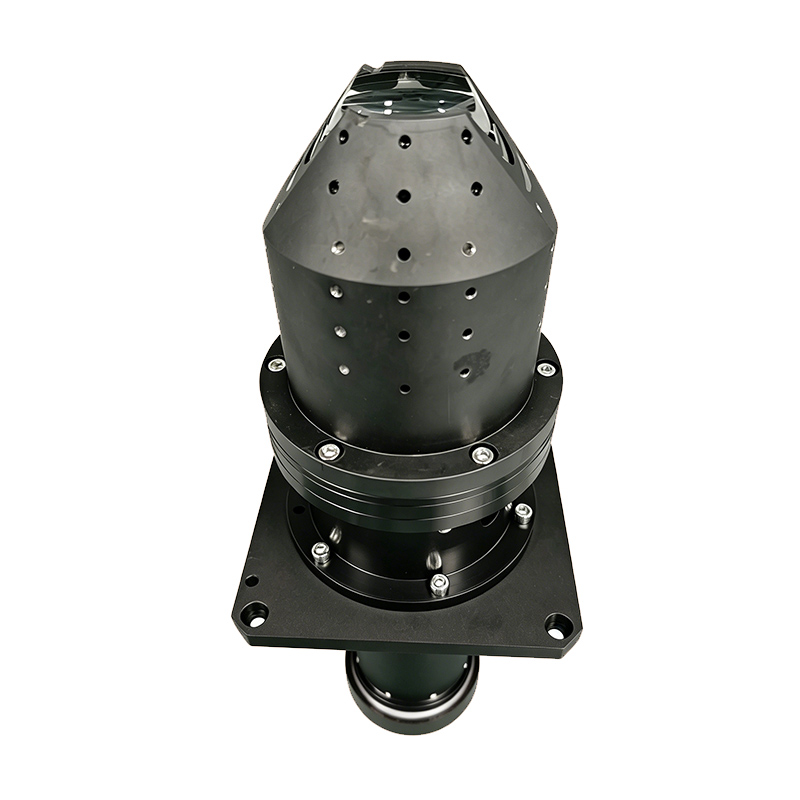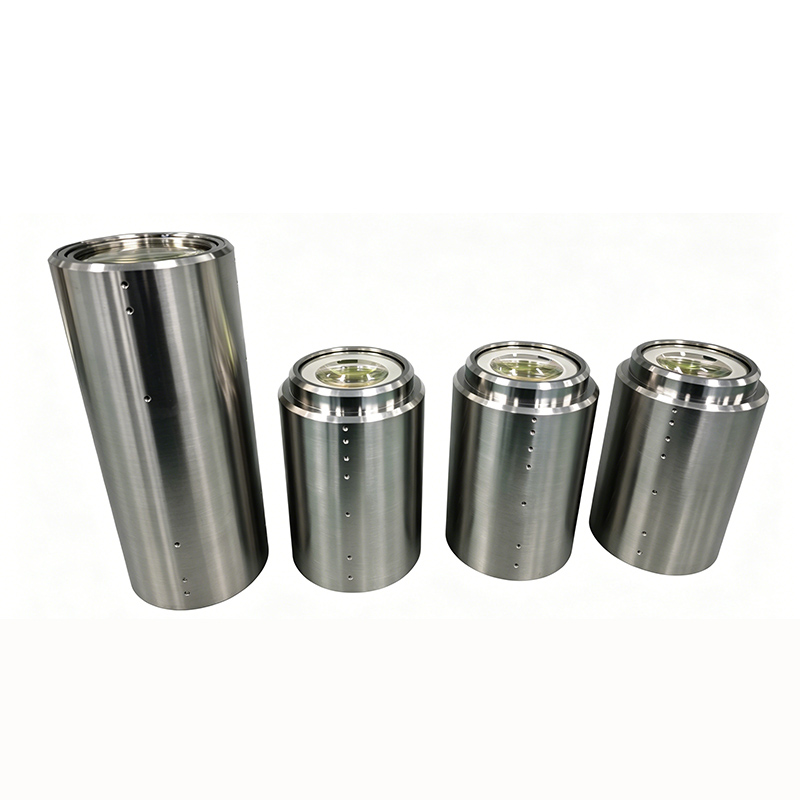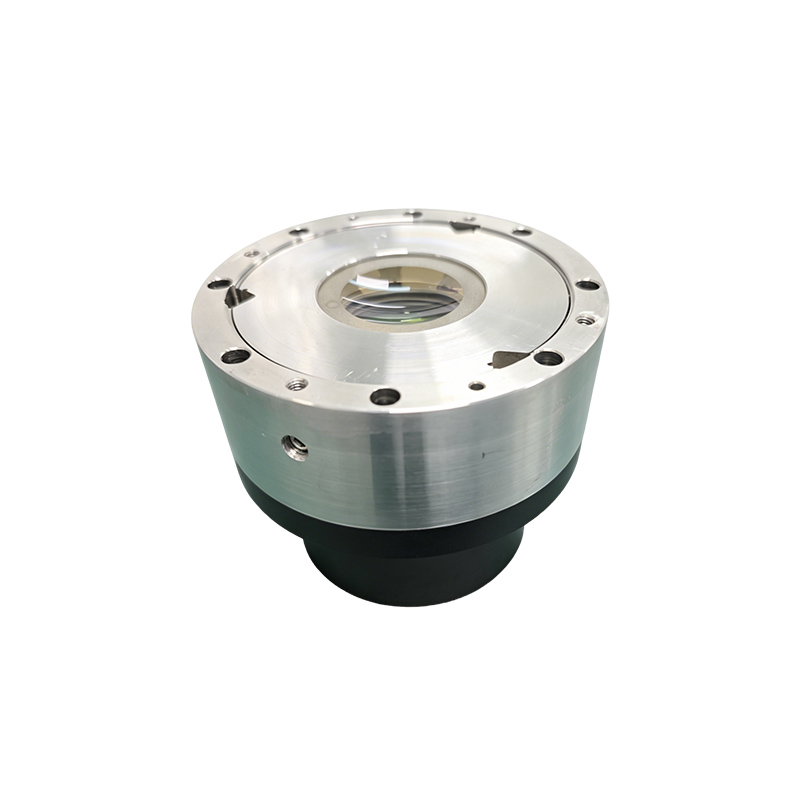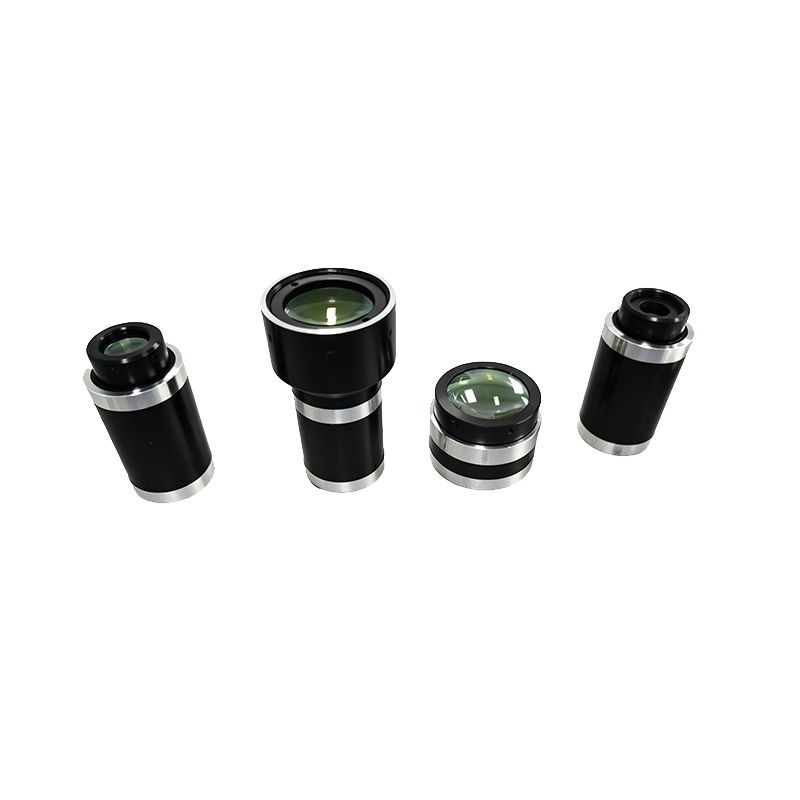
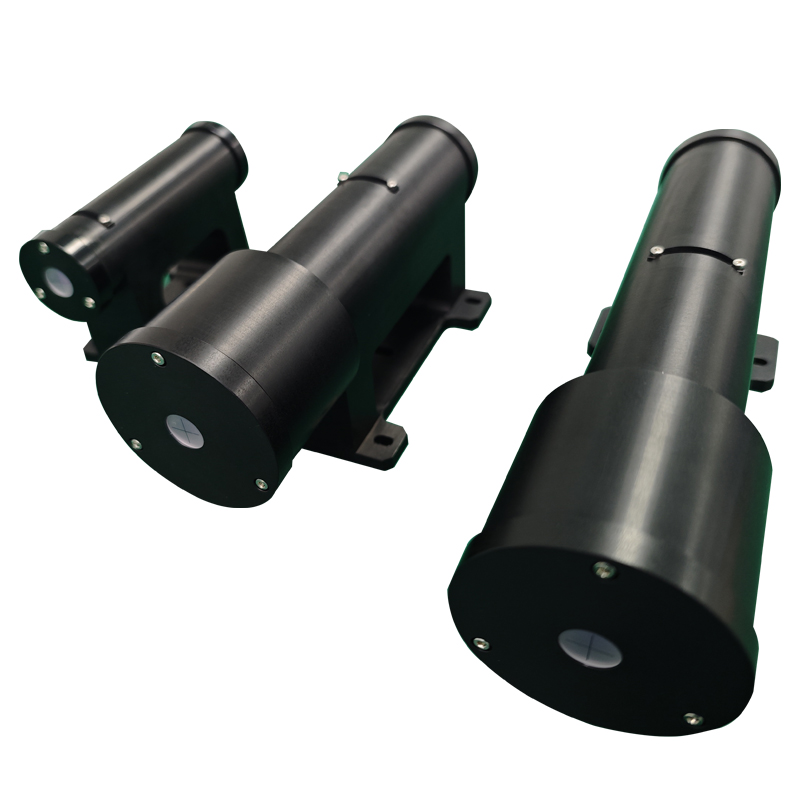
Optical Components
Material: Quartz, K9 glass, sapphire and common optical glasses
Surface Quality: 60/40, or as per customer requirements
Outer Diameter Tolerance: +0/-0.1 mm, or customizable per customer specifications
Thickness Tolerance: ±0.05 mm
Surface Accuracy: NR ±1 λ at f/0.1
Coating: As per customer requirements
Blackening: PA ink
Annual Capacity: 200,000 pieces
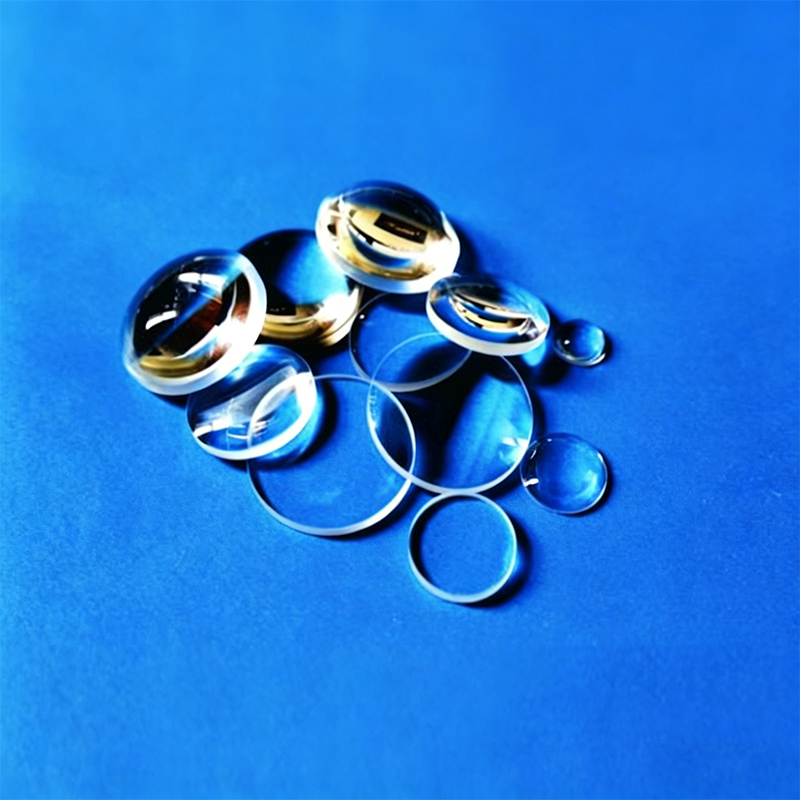
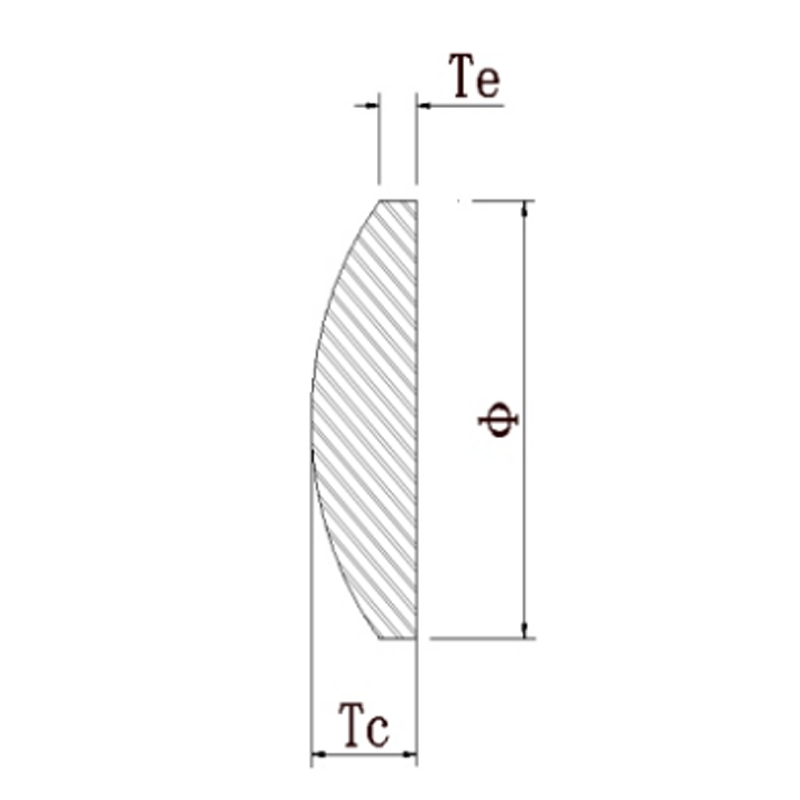
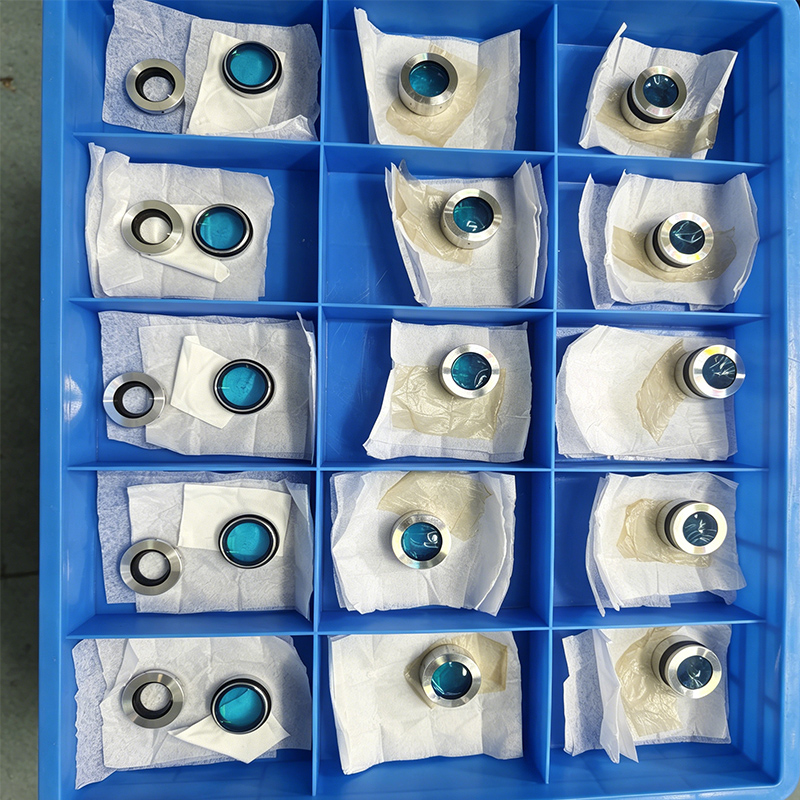
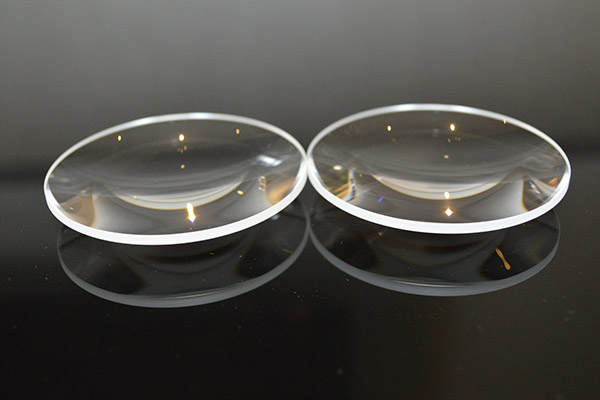
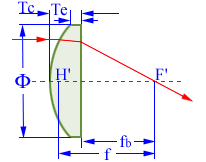
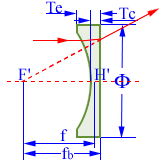
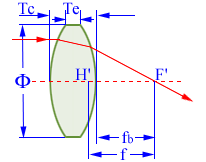
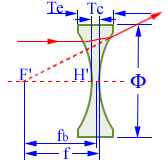
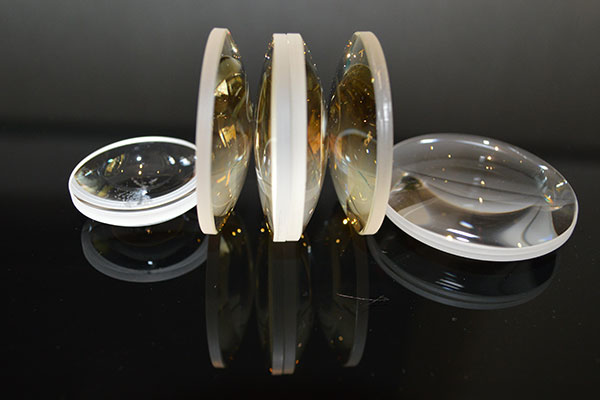
Singlet lenses provide a compact optical element for collection, focusing or beam expansion. Plano-convex, plano-concave and double-curvature forms are matched to conjugates, substrate transmission and aberration requirements.
Lenses have many applications ranging from the simple collection of a laser beam to precision imaging and image transfer. Lenses are classified as single lenses, cylindrical lenses and achromatic lenses. These lenses are made of BK7, FS,CaF2 and IR material(Si,Sapphire,Ge,YAG etc.). Special focusing systems can be designed by an optical designer.
|
Plano convex Lens
|
BK7 Fused Silica
|
 |
|
Plano Concave Lens
|
BK7 Fused Silica
|
 |
|
Double Convex Lens
|
BK7 Fused Silica
|
 |
|
Double Concave Lens
|
BK7 Fused Silica
|
 |
|
Attribute
|
Commercial
|
Hign Precision
|
|
Material
|
Schott N-BK7, H-K9L, Fused silica, Si, CaF2, Sapphire
|
|
|
Design Wavelength
|
546.07nm
|
|
|
Design Index (BK7)
|
1.51680 for BK7, 1.45846 for Fused Silica
|
|
|
Diameter Tolerance
|
+0.0, 0.15mm
|
+0.0, 0.05mm
|
|
Paraxial Focal Length
|
±2%
|
±0.5%
|
|
Cerntration
|
<3'
|
<1'
|
|
Surface Quality
|
60-40 scratch and dig
|
10-5 scratch and dig
|
|
Surface Irregularity
|
< λ/4
|
< λ/8
|
|
Protective Bevel
|
0.25 + 0.25, -0.0mm
|
0.2 ± 0.1mm
|
Precision spherical-lens reference designs span 193 nm to 12 µm. Substrates include sapphire, optical glasses, fused silica, Si, Ge, ZnSe, ZnS, CaF2 and MgF2. Surface generation, polishing and coating must limit subsurface damage and preserve low-scatter surfaces. Super-polished substrates and ion beam sputtered (IBS) coatings are used for focusing lenses, cavity mirrors, output couplers and beam expanders. High-energy Nd:YAG configurations use high-purity fused silica and dielectric coatings selected for pulse-energy and damage-threshold requirements.
Medical Laser system
Industrial Q-Switch Laser system
|
Material
|
CaF2, UVFS, Corning7980, BK7,YAG etc
|
|
Surface Flatness
|
≤λ/10 at 632.8 nm
|
|
Clear Aperture
|
≥central 85% of diameter
|
|
Surface Quality
|
10-5 scratch-dig per MIL-PRF-13830B
|
|
Diameter Tolerance
|
+0/-0.1 mm
|
|
Thickness Tolerance
|
±0.1 mm
|
|
Wedge
|
≤1 arc min
|
|
Centering error
|
≤3 arc min
|
|
Radius range
|
30mm-3000mm
|
|
Chamfers
|
0.2mmX45°
|
|
Durability
|
MIL-M-48497
|
|
Damage Threshold
|
1064 nm: 20 J/cm2 with 10 ns pulses, typical
532 nm: 5 J/cm2 with 10 ns pulses, typical |