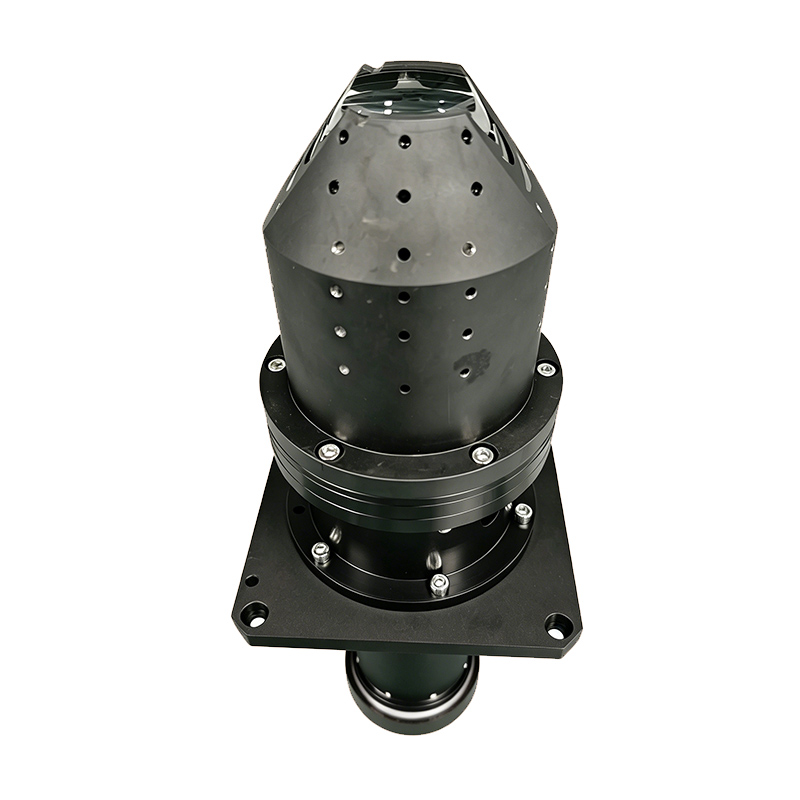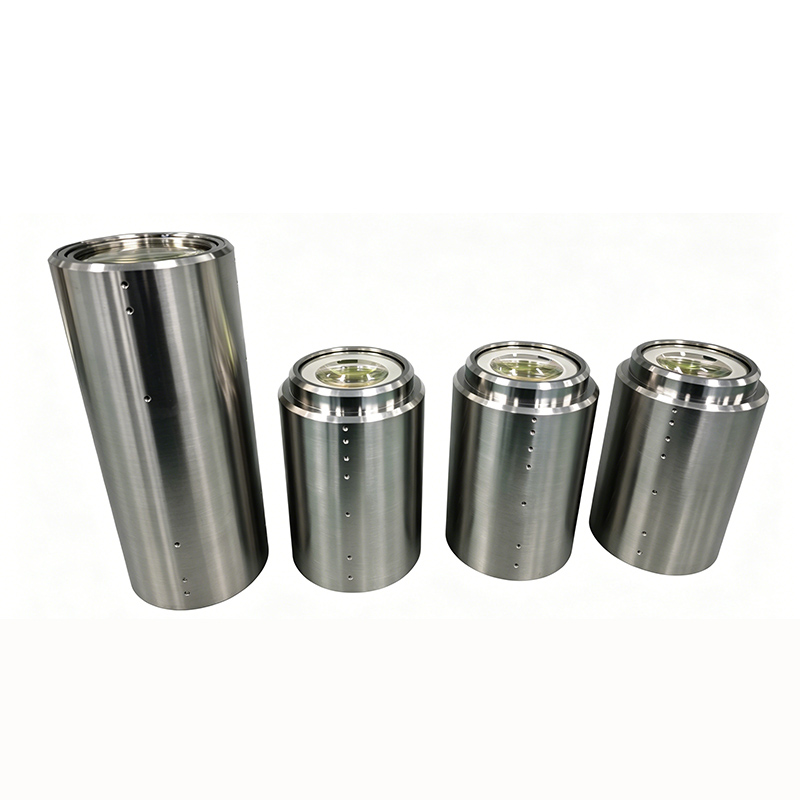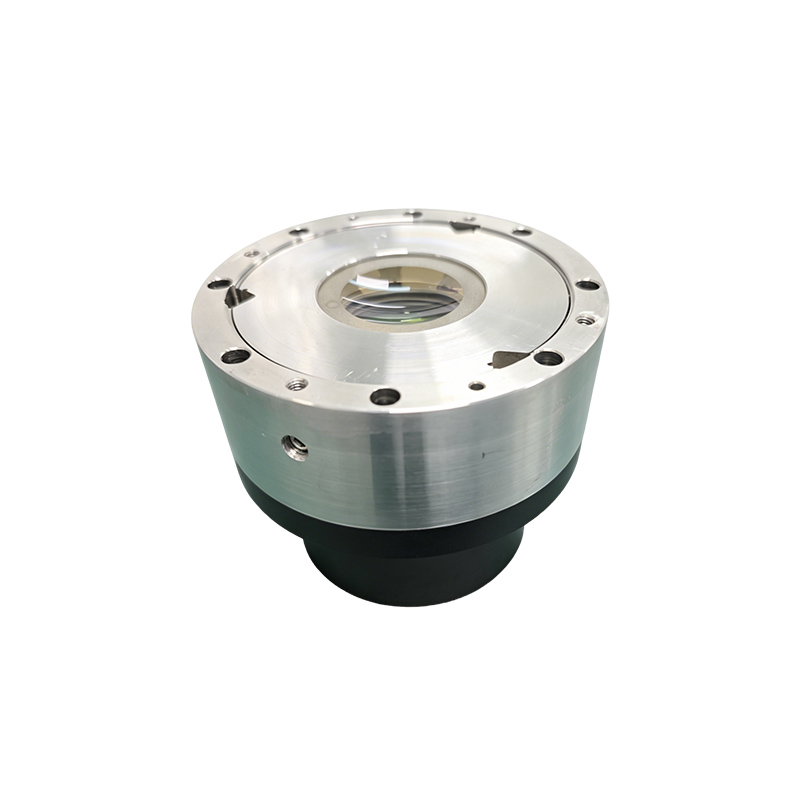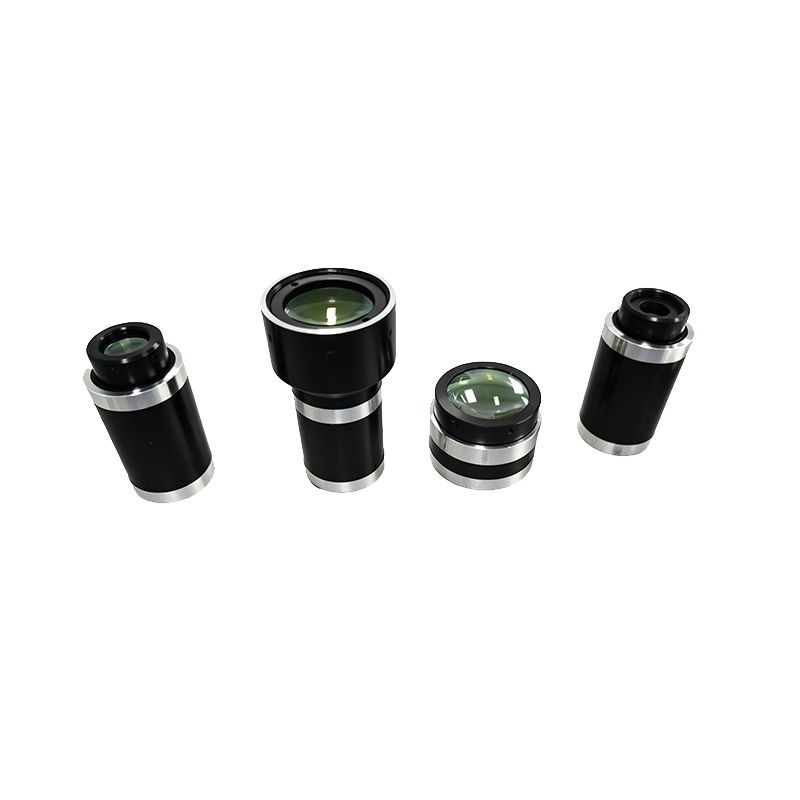
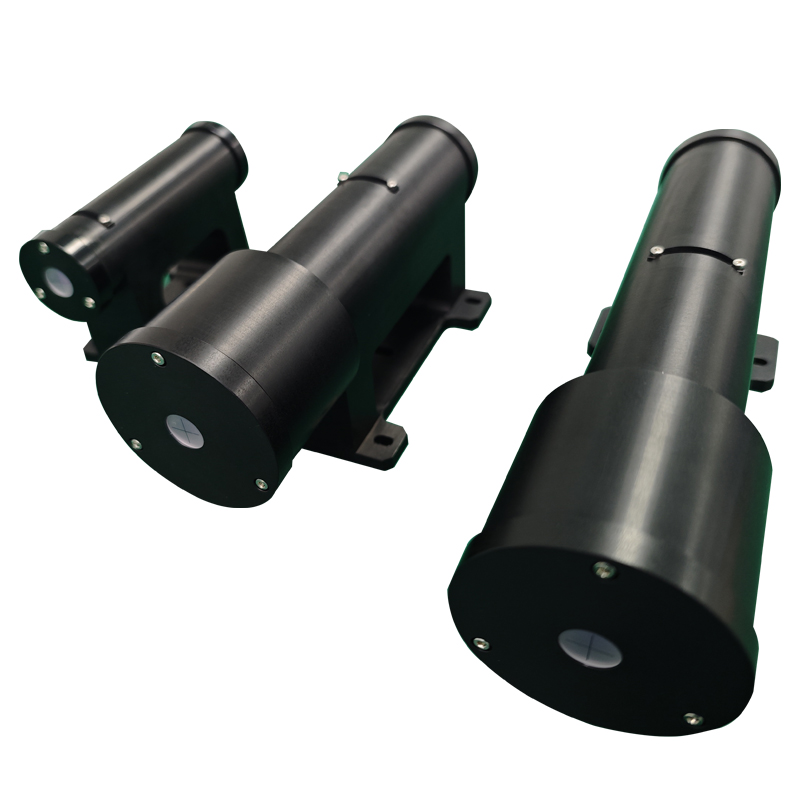
Optical Components
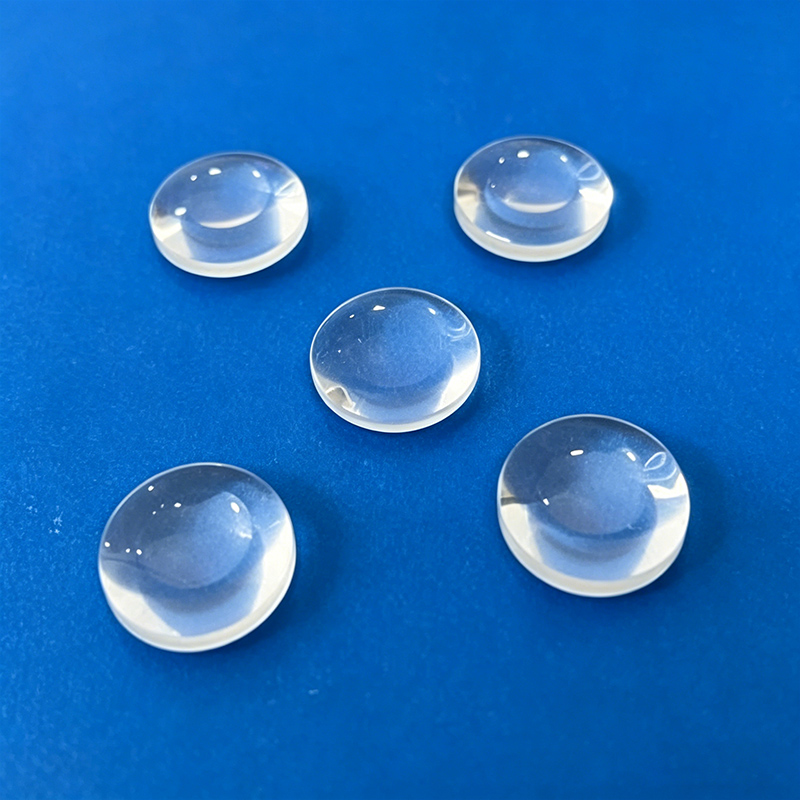
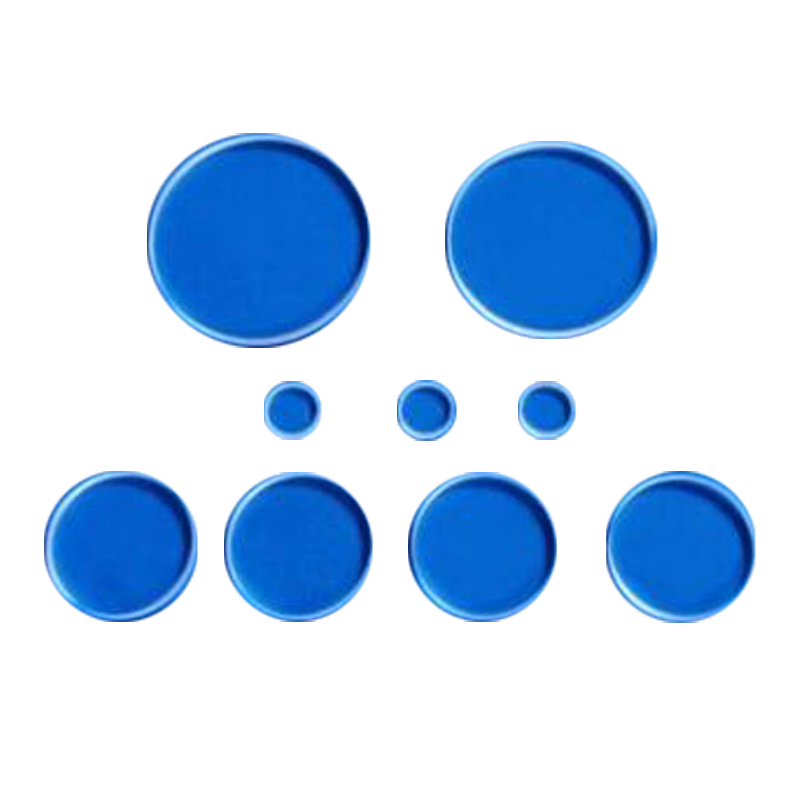
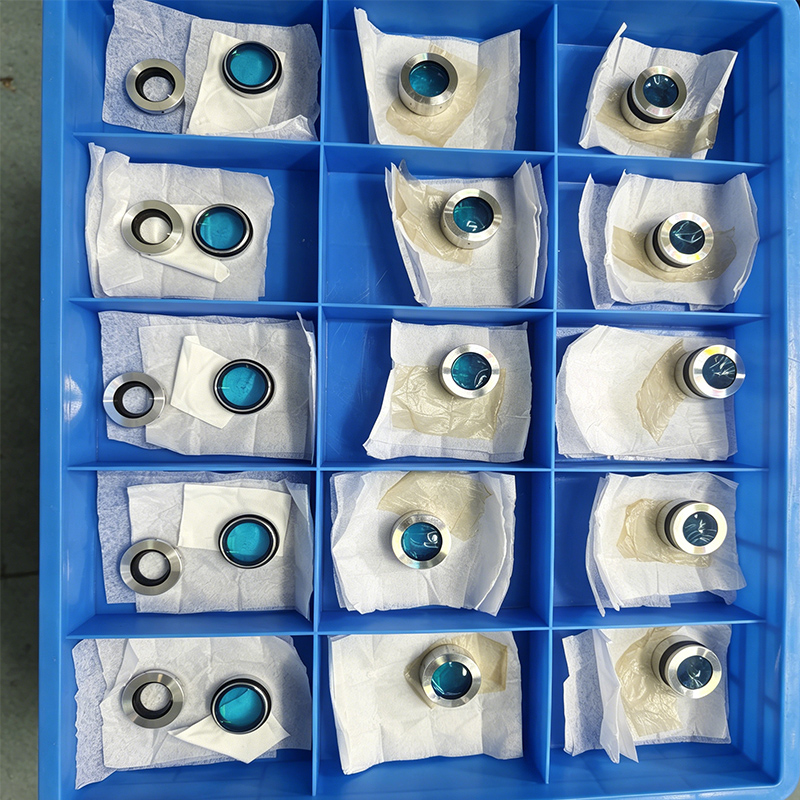
Sapphire combines optical transmission with mechanical strength, thermal durability and chemical resistance. Windows, lenses and domes use different orientations and finishes; substrate properties are supplemental to each existing component specification.
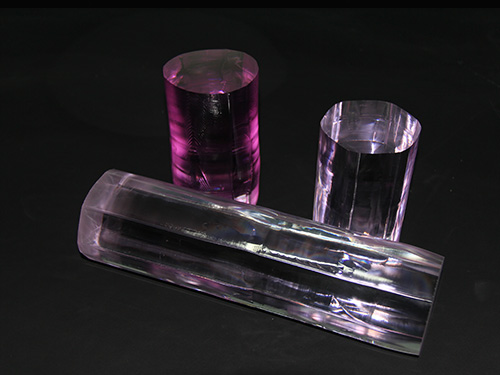
Sapphire Due to the hardest of the oxide crystals, Sapphire has a combination of optical and physical properties that makes it the best choice for a variety of demanding applications. Sapphire maintains its strength even at high temperatures. It has good thermal properties, excellent electrical and dielectric properties and is resistant to chemical attack. These properties encourage the use of Sapphire in aggressive environments where reliability, optical transmission or strength is required.
Sapphire substrate quality depends on raw-material selection, crystal growth and inspection. Optical orientation and finish must be chosen for each application.
|
Crystal Structure:
|
Hexagonal System
|
|
Lattice:
|
a=4.785A, c=12.991A
|
|
Density:
|
3.98g/cm 3
|
|
Transmission Range
|
0.15-5.5µm
|
|
Melting Point:
|
2042°C
|
|
Specific Heat:
|
0.418W×s/g/k
|
|
Thermal Conductivity:
|
25.12W/m/k(@100°C)
|
|
Thermal Shock Resistance:
|
790W/m
|
|
Thermal Expansion Coefficient:
|
5.8´10 -6 /K
|
|
dn/dt (@633nm)
|
13´10 -6 /K
|
|
Mohs Hardness:
|
9
|
|
Refractive Index(n o ):
|
1.83(0.26mm), 1.76(0.63mm), 1.58(5.57mm)
|
2. Standard Specifications of Sapphire Windows & Mirrors
|
Diameter:
|
+0.0, -0.1mm
|
|
Thickness:
|
±0.1mm
|
|
Flatness:
|
l/4
|
|
Parallelism:
|
better than 1'
|
|
Perpendicularity:
|
better than 5'
|
|
Scratch-Dig:
|
40/20 per MIL-O-13830A
|
|
Wavefront Distortion:
|
l /4 per inch @1064nm
|